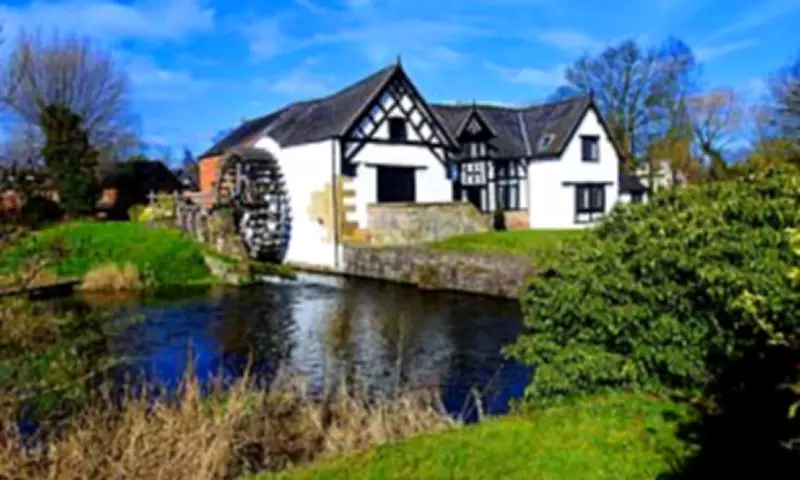
A historic watermill that served as the muse for one of JMW Turner's celebrated watercolour masterpieces has entered the property market with a £1.5 million price tag. The 450-year-old Grade II-listed Rossett Mill, nestled in Wrexham, provided the direct inspiration for Turner's 1795 work Marford Mill, created during the artist's formative tours of Wales.
Artistic Legacy and Historical Significance
JMW Turner stands as one of Britain's most revered artists, renowned for his luminous landscapes, atmospheric sunsets, and dramatic maritime scenes. His work frequently engaged with the emerging industrial technologies of the late 18th and early 19th centuries, exploring their intersection with the natural environment. During the 1790s, Turner undertook four extensive tours of Wales, meticulously documenting the country's scenery and architecture in a series of warm, light-filled paintings.
His Welsh portfolio includes iconic depictions of castles at Dolbadarn, Harlech, Flint, and Conwy, alongside industrial subjects like Aberdulais Mill in South Wales. Today, the original Marford Mill painting resides in the National Museum of Wales in Cardiff, while the very structure that inspired it is available for purchase.

A Seventeen-Year Labour of Love
The current custodians, Brendan and Celia Wilson, are now selling the property to relocate closer to their family. They acquired the mill seventeen years ago for £660,000 and have since invested approximately £250,000 and countless hours into its sensitive restoration. Brendan Wilson, a former company director, recounted the serendipitous discovery: "We saw an advert in a newspaper while living in Chester. I've always found water mills picturesque and romantic, but we had no intention of moving. Then, about a fortnight later, we were driving through Rossett, wondered where it was, and came around the corner to see it. We knew within five minutes we wanted to buy it."
The couple were the first residents to live in the mill building. "We take it for granted now," Brendan reflected, "but there is history in every corner." The renovation was a painstaking process. They sourced and imported wooden beams from France for structural repairs and comprehensively modernised the property. The works included:
- Installing central heating throughout the building
- Fitting a new, modern kitchen
- Adding an extension to create additional living space
The home now boasts four bedrooms, four bathrooms, and four reception rooms. The Wilsons even taught themselves to operate the mill's machinery, despite initial fears it might "collapse or explode."
Unique Rights and Future Prospects
A remarkable feature of the property is an ancient covenant and accompanying deeds that grant the owner the right to draw water from the adjacent River Alyn to power the mill. This unique legal privilege adds significant historical and practical value to the estate.
Celia Wilson, 71, a retired teacher, expressed mixed emotions about the sale: "We'll be very sad to leave, but it is quite big for us now. We want to move near our children to future-proof our living arrangements."
Turner's Enduring Appeal
Nicola Moorby, Curator of Historic British Art (1790-1850) at Tate Britain, explained Turner's artistic motives to BBC Wales: "He was looking for picturesque subjects which were very popular with an antiquarian market at the time." Turner's work continues to captivate audiences, with a current exhibition at Tate Britain, Turner & Constable: Rivals & Originals, juxtaposing his oeuvre with that of his contemporary, John Constable. While both are giants of English Romanticism, Constable's paintings typically present the countryside with a darker, more earthy palette compared to Turner's often ethereal visions.
The sale of Rossett Mill represents a rare opportunity to acquire a piece of living art history—a home where the legacy of Britain's greatest painter is woven into the very fabric of its ancient walls and flowing waters.