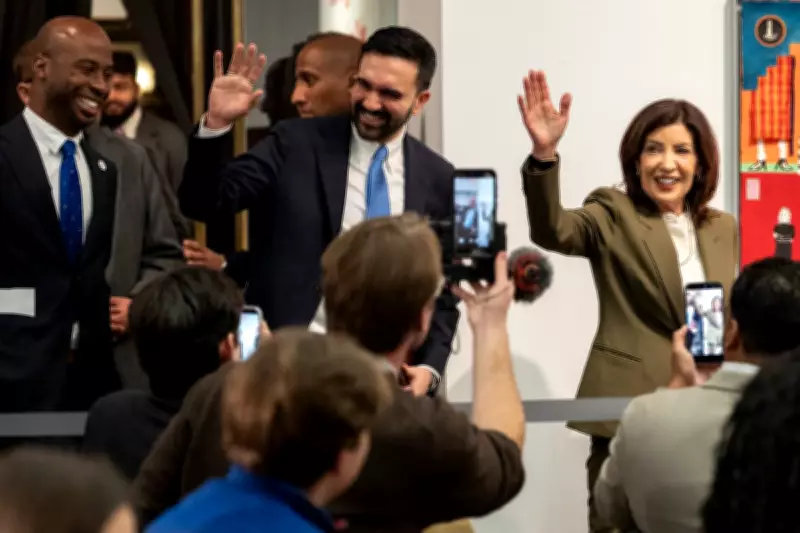
New York Governor Pitches Compromise with Tax on Luxury Second Homes
For months, New York Governor Kathy Hochul has steadfastly resisted progressive demands to increase taxes on the wealthy, fending off activists who have pursued her from Manhattan to Puerto Rico with loud chants of "tax the rich." Now, in a significant shift, the moderate Democrat is offering a compromise by proposing a new tax specifically targeting high-value second homes in New York City, known as pied-à-terres.
A Targeted Approach to Revenue Generation
Governor Hochul's plan would empower New York City to impose a tax surcharge on secondary residences valued at over $5 million. According to her office, this measure could generate at least $500 million in annual revenue. This initiative is designed to assist Mayor Zohran Mamdani, a fellow Democrat, in addressing a multibillion-dollar budget shortfall while funding his ambitious policy agenda. "As Governor, I understand the importance of stabilizing the city’s finances without compromising on essential services New Yorkers count on," Hochul stated. "If you can afford a $5 million second home that sits empty most of the year, you can afford to contribute like every other New Yorker."
Political Maneuvering in Albany and Beyond
The governor intends to include this proposal in the current state budget, a comprehensive package of bills that remains under intense negotiation in Albany after missing the April 1 deadline. Mayor Mamdani, who has advocated for more extensive tax increases on the wealthy, hailed the plan as a victory. In a statement, he said it brings him "one step closer to balancing our budget by taxing the ultra-wealthy and global elites." At a tax-focused forum, Mamdani emphasized that the tax would target the "super wealthy who can purchase properties and use them to store their wealth to benefit from New York City’s real estate market but not have to pay back into that same city."

Balancing Fiscal Concerns and Political Pressures
Governor Hochul has consistently opposed raising personal income or corporate taxes, arguing that such hikes could drive residents and businesses to lower-tax states, thereby weakening New York's tax base. Despite this stance, progressive calls have persisted, with protesters chanting "tax the rich" at her public appearances, including during a political conference in San Juan last year. Concurrently, Hochul faces political vulnerabilities as she campaigns for a second full term, with Republicans criticizing the state's high taxes. Her Republican challenger, Bruce Blakeman, quickly condemned the proposal, accusing Hochul of breaking promises and vowing to cut taxes if elected.
Addressing New York City's Financial Challenges
Mayor Mamdani has urged state leaders to increase taxes on the wealthy to support programs for the working class, while also grappling with a substantial budget gap initially estimated at $12 billion, later revised to about $5 billion after state assistance and savings. At a news conference, Hochul asserted that her proposal would help close this gap without necessitating service cuts, though she stressed that the mayor and City Council must identify additional savings to achieve a balanced budget. "Our goal is to get the city on stable ground, to close the gap so we can take the pressure off," she explained, highlighting the delicate balance between revenue generation and fiscal responsibility in one of America's largest urban centers.