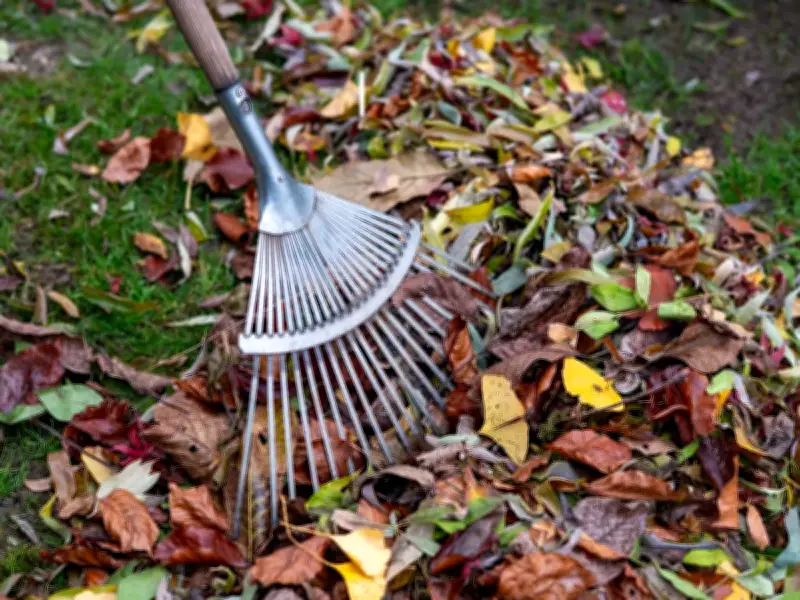
Nearly one in four UK homeowners have slipped or fallen on wet leaves, but under English common law neighbours cannot be forced to clear fallen leaves from their trees. New research from Injury Lawyers 4u found that 24 percent of Britons have experienced a dangerous slip on wet, slippery leaves.
Despite common beliefs that neighbours can be compelled to rake up leaves or share the cost of clearing them, property dispute solicitors told Express.co.uk that the reality is more complicated. Under English common law, the natural shedding of leaves during autumn is legally regarded as an ordinary natural occurrence rather than something that can be challenged as a nuisance.
Legal duties and self-help rights
Paula Moses, legal director at Blacks, cautioned that homeowners are "usually expected to clear leaves from their own property, even when they originate from a neighbour's tree". Those affected have no legal "self-help right" to demand their neighbour clear fallen leaves, with Taylor Rose partner Alex Rooney emphasising that any assistance with clearing up remains purely a voluntary act of goodwill rather than a legal obligation.
According to Tree Law, under the tort of negligence, a tree owner is only held responsible if a claimant can demonstrate that a foreseeable risk was disregarded. This encompasses allowing a decaying branch to fall onto a neighbouring roof, rather than routine seasonal leaf shedding.
Diseased trees and flood damage
This does not always extend to diseased trees, however, as Stephensons' dispute specialist Joanne Ellis noted: "Disease alone does not automatically make a neighbour liable." Heavy leaf fall from a deteriorating tree will almost never satisfy the legal threshold required for a court claim.
Alex, who specialises in boundary disputes, highlights a crucial distinction between a tree physically crossing onto your property and leaves simply drifting onto it naturally. A neighbour could, nonetheless, face civil liability for subsequent flood damage if they are formally notified in writing that their shedding tree is obstructing a shared drain and they fail to take reasonable measures to address the problem.
What rights do renters have?
For millions of private tenants, Section 11 of the Landlord and Tenant Act 1985 covers solely structural repairs to the property. Routine outdoor maintenance, such as raking leaves, almost invariably remains the tenant's legal obligation under standard tenancy agreements.
The Injury Lawyers 4u team said: "If the leaves are creating a genuine hazard on a public footpath or another shared area, it is worth contacting the relevant council, landlord or property manager to establish who is responsible for maintenance."