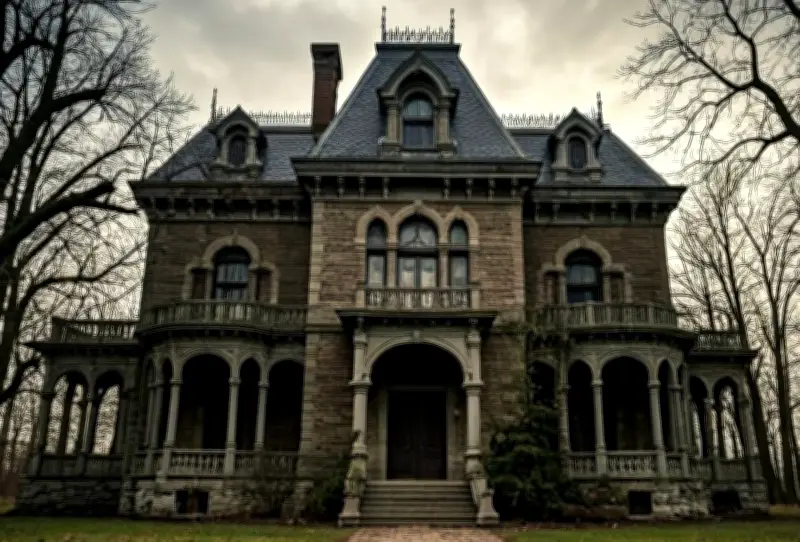
There is no specific legal requirement in England for sellers to declare that a property is haunted, but dishonesty when asked directly could still land homeowners and estate agents in trouble, a property lawyer has said.
With Halloween approaching, Jordan Kluth of John Fowlers examined whether sellers must reveal a property's supposedly haunted past. Standard conveyancing forms ask about boundaries, building work, disputes and services, but they contain no box for declaring a resident ghost or troublesome poltergeist.
No Box for Ghosts on Conveyancing Forms
Kluth said: "There is no specific question on the standard conveyancing forms asking whether a property is haunted, so sellers should not expect to see a box asking them to declare any ghosts or paranormal activity."
He added: "The position in England is different to some of the well-known cases we have seen in the US. What is important is that a seller does not misrepresent the property or give an untrue answer to a buyer."
When Ghost Stories Become a Legal Nightmare
The issue centres on caveat emptor, the traditional principle of buyer beware. Buyers must generally investigate a property's condition and history before committing to a purchase, while sellers must answer enquiries truthfully and avoid providing misleading information.
Kluth warned that questions about paranormal activity could create complications. "For example, if a buyer specifically asks whether a house is haunted and the seller dishonestly says no, despite there being reports that the property is haunted, that could potentially become an issue," he said.
"The safest approach is always to answer enquiries truthfully and speak to your conveyancer if you are unsure about what information should be provided."
Estate Agents' Obligations When Marketing Properties
Estate agents also face legal obligations when marketing properties. Consumer protection rules prohibit misleading statements and the omission of material information that could influence a buyer's decision. Whether a property's haunted reputation falls into that category depends on the circumstances, but agents should avoid making claims they cannot substantiate or dismissing genuine concerns without checking the facts.
Kluth advised sellers to seek professional guidance if a property has an unusual history. "Sellers should consider what they think a buyer would want to know before purchasing the property and make sure they give truthful answers to any enquiries," he said.
"If there is something unusual about the history or reputation of the property and you are concerned about whether it needs to be disclosed, you should seek advice from your conveyancer before answering questions."
For agents, the lesson is simple: a property's spooky reputation might not require a formal declaration, but misleading a buyer could have serious consequences. An honest answer is preferable to a legal dispute that comes back to haunt everyone involved.