Homeowners living in mock Tudor properties could face closer inspection from government valuation inspectors under Labour’s mansion tax plans, with annual bills of up to £7,500 for homes worth more than £2 million.
Inspections under new levy
Officials assessing properties for the new levy will be instructed to examine architectural styles and features, including decorative details around windows and doors. The 55-page document, obtained by the Conservatives through freedom of information laws, reportedly tells inspectors to look out for what it calls “fake traditionalism”, including mock Tudor and mock Georgian designs.
The guidance states that “architectural style and characteristics are nearly always more important than size or accommodation” when assessing a property. It also warns that mock Tudor embellishments should not automatically be mistaken for improvements in a home’s quality.
Costs for affected homeowners
The inspections form part of plans for a new annual surcharge on properties valued at more than £2 million, announced by former Chancellor Rachel Reeves in her final Budget. Under the proposals, affected homeowners could face an additional bill of between £2,500 and £7,500 a year, depending on the valuation of their property.
The Valuation Office Agency, which operates within HMRC, is expected to carry out assessments and record details about properties to feed into a computer model designed to estimate their value. The guidance reportedly directs officials to consider a home’s architectural style and characteristics when deciding which valuation group it belongs in.
Reaction and government defence
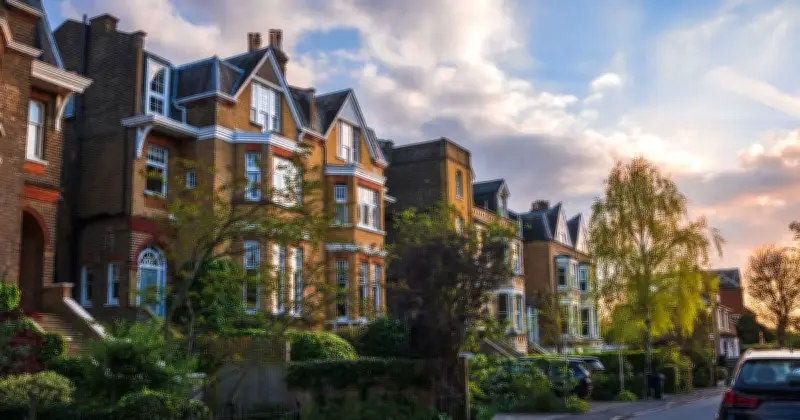
Mock Tudor homes, which often feature decorative dark timber-style beams against lighter walls, became popular in Britain during the 20th century. Mock Georgian designs similarly borrow features from traditional architectural styles. However, the guidance suggests such decorative details should not automatically increase a property’s assessed quality.
The valuation process is also expected to use an AI-powered database developed for the Welsh Labour government’s council tax revaluation work. The Telegraph previously reported that HMRC agents could have powers to demand entry to properties to assess their value for the new levy. However, HMRC has said that in the “vast majority” of cases, decisions can be made using existing information without the need for a visit.
Katie Lam, the shadow housing secretary for the Conservative Party, said Labour’s proposals risked making home ownership a source of anxiety for families. She said: “Labour's family homes tax risks turning owning a home into a source of anxiety, with hard-working people facing huge tax bills simply because of the appearance and character of their home.”
Lam also criticised the prospect of inspectors entering private homes to assess their value, saying the level of intrusion involved was unacceptable. The Conservatives have pledged to scrap the mansion tax.
But the Government has defended its approach, arguing that existing valuation methods are already used to assess millions of homes for council tax purposes. A government spokesman said: “HMRC's approach to valuing homes is well-established and already used to ensure fair and accurate valuations for millions of homes for council tax.”