Melbourne's High-Rise Housing Blueprint Ignites Suburban Fury
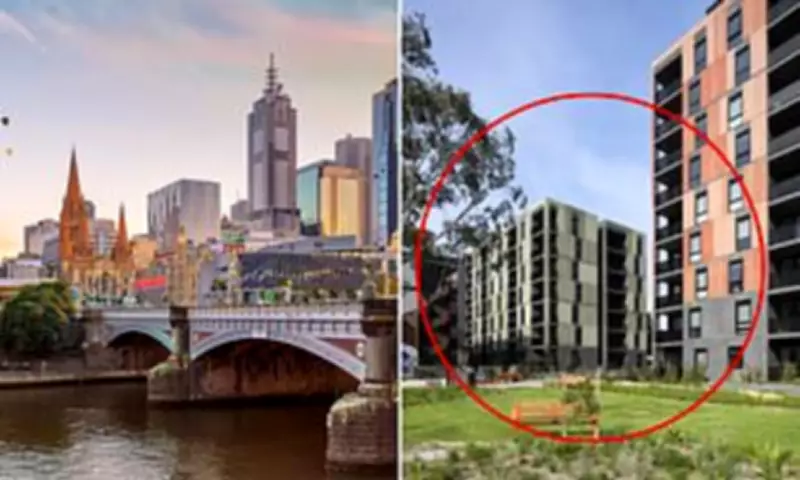
Residents across Melbourne have erupted in anger following the unveiling of a contentious housing strategy that could dramatically reshape the city's skyline with apartment towers reaching up to 20 storeys. The Allan Government's plan, revealed on Wednesday, targets ten key suburbs in a bid to address Victoria's chronic housing shortage through accelerated high-density development.
Historic Racetrack and Blue-Chip Areas in the Crosshairs
Among the most significant transformations proposed is the area surrounding the historic Caulfield Racecourse, where buildings as tall as 20 storeys could be permitted. This forms part of a broader initiative to establish 'activity centres' near public transport hubs, with new planning maps outlining zones where developments can be fast-tracked.
The strategy also directly impacts traditionally affluent inner-city suburbs. In Prahran, Windsor, Armadale, and South Yarra, apartment complexes up to six storeys could rise along residential streets, replacing existing two- or three-storey limits that have long protected these areas' character. A major redevelopment corridor stretching approximately five kilometres between Malvern and South Yarra stations is earmarked for significant change.

Height Limits Soar Across Transport Hubs
Under the new zoning rules, transport and shopping hubs will see the most dramatic increases. The ultra blue-chip suburb of Malvern could witness buildings as high as 16 storeys, while Caulfield emerges with the highest limits among the ten designated activity centres, permitting 20-storey structures near both the racecourse and Monash University.
Other suburbs facing substantial changes include Glen Huntly, Mitcham, and Noble Park, where 12-storey buildings are proposed near stations, and Springvale, where maximum heights could rise to 16 storeys. These areas are expected to have fewer four- and six-storey developments compared to inner-city counterparts due to having fewer transport options.
Political Battle Lines Drawn Over Planning Reforms
Planning Minister Sonya Kilkenny defended the 'tram and train zone' activity centres, stating they aim to provide more Victorians with the opportunity to live close to public transport and their loved ones. 'Whether it's making it easier to build homes close to public transport, townhouses in our inner suburbs, or family homes with a backyard, our planning reforms are all about giving more Victorians real housing choice,' Kilkenny asserted.
She also accused political opponents of attempting to sabotage the plan, claiming they 'oppose more homes near transport, jobs and services.' However, Opposition leader Jess Wilson fired back, accusing Premier Jacinta Allan of 'abandoning' housing targets while leaving residents with 'no voice and no choice' regarding their neighbourhoods' futures. 'Whilst Labor's burdensome property taxes and red tape remain, the construction of new and affordable homes will continue to stall in Victoria,' Wilson countered.
Local Communities Voice Fears and Frustrations
The proposal has proven particularly inflammatory in suburbs like Brighton, Glenferrie, and Hughesdale, where residents have expressed rage over the potential transformation of their neighbourhoods. Critics have dismissed consultation processes as 'performative' and accused the government of attempting to 'ruin the whole landscape.'
Concerns have been raised that developers may increasingly target quieter residential streets as planning rules make taller apartment projects easier to approve. The government has responded by arguing that the selected suburbs are ideal for increased density because 'they were along train lines destined for more services,' positioning the strategy as a solution to both housing accessibility and public transport utilisation.