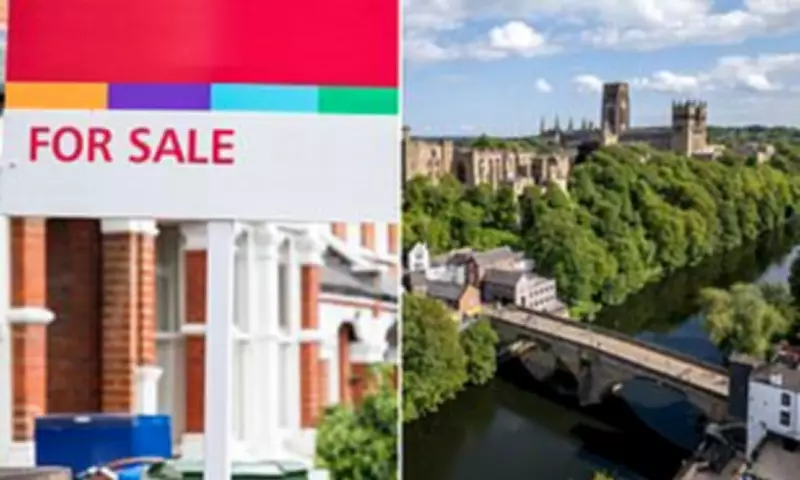
New research has revealed that Britain's house flipping hotspots are undergoing a dramatic transformation, as soaring stamp duty costs have driven this once-lucrative property venture to its lowest levels in more than a decade. The practice of 'house flipping'—where homes are purchased and resold within a 12-month period—has experienced a sharp regional decline, with the most pronounced falls concentrated in the South of England.
The Stamp Duty Impact on Flipping Activity
According to analysis by property firm Hamptons, the number of flipped homes has plummeted by approximately 50% since 2016, dropping from 21,520 transactions to just 10,570 in 2025. This significant downturn is largely attributed to the introduction of the second home stamp duty surcharge in 2016, which imposed higher tax burdens on buyers in England and Northern Ireland. Stamp duty, a mandatory tiered tax on residential and commercial property purchases, has severely dented returns for flippers, particularly in regions with weaker house price growth.
Regional Disparities in Flipping Hotspots
While southern markets have struggled, the North East of England has emerged as a resilient hotspot for house flipping. Locations such as Hartlepool, County Durham, Middlesbrough, Sunderland, and Stockton-on-Tees now dominate the top areas for this activity. Hamptons attributes this resilience to comparatively lower house prices, which keep stamp duty bills modest and allow more scope for value addition through refurbishment.

Aneisha Beveridge, head of research at Hamptons, commented: 'Flipping is no longer the profitable venture it once was. There was a time when rundown properties could be bought cheaply, refurbished and resold at a healthy margin.'
Profit Margins and Market Challenges
Hamptons' analysis of Land Registry data shows that flipping accounted for only 1.5% of housing transactions across England and Wales in 2025—down from 2% in 2024 and the lowest proportion recorded in over ten years. The number of flipped properties was the lowest since 2012, while the proportion flipped was the least since 2013.
Despite the overall decline, around 73.3% of flipped homes still generated a gross profit last year. However, Beveridge noted that stamp duty is only part of the challenge: 'Falling house prices across many southern markets have squeezed returns further while the cost of materials and labour have risen sharply since the pandemic.'
The North-South Divide in Flipping Viability
The research highlights a stark North-South divide. In the South, weaker house price growth and higher stamp duty costs have made flipping increasingly unviable. Beveridge explained: 'Even before factoring in stamp duty, refurbishment budgets now stretch much further than they once did, pushing profit margins to their thinnest levels in over a decade.'
Conversely, the North East has remained far more resilient due to lower entry prices and strong local house price growth. Beveridge added: 'By contrast, the North—particularly the North East—has remained far more resilient. Lower entry prices keep stamp duty bills modest, meaning more scope to add value through refurbishment.'
Future Outlook for Property Flippers
Unless supported by robust underlying house price growth, turning a profit through flipping is becoming increasingly difficult nationwide. Beveridge concluded: 'Unless a flip is supported by strong underlying house price growth, turning a profit is becoming increasingly difficult. That said, investing in relatively cheaper property in an area where house price growth is strong can still yield solid returns.'
This 'long slowdown' in house flipping underscores the broader challenges facing the UK property market, where tax policies and regional economic disparities continue to shape investment strategies and profitability.