Government Accused of Caving to Building Lobby Over Low-Carbon Homes
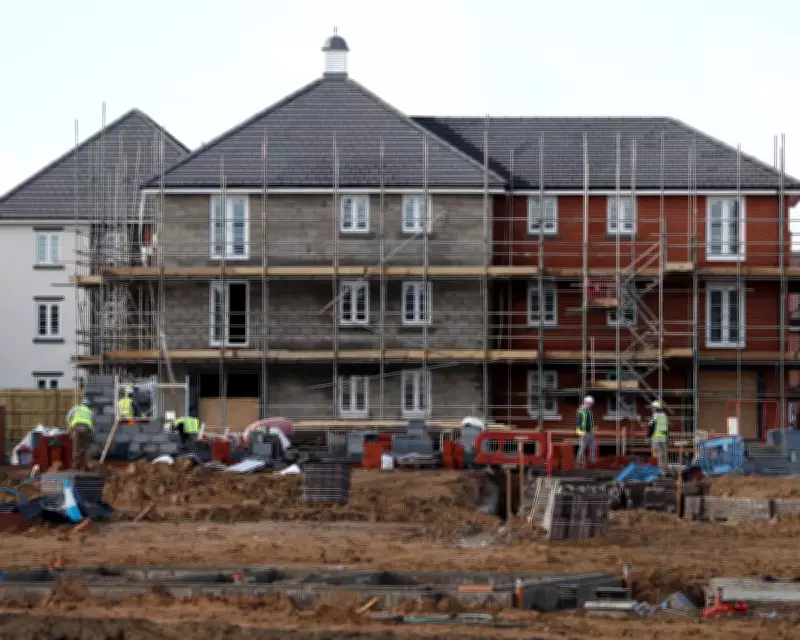
The UK government has been accused of bowing to pressure from housebuilders in proposals that would restrict English local authorities from pursuing improvements to low-carbon home standards. Under a consultation on planning rules, councils would receive guidance effectively limiting their scope to demand builders construct new homes to the highest possible standards within their areas.
Changes to National Planning Policy Framework
These alterations to the National Planning Policy Framework are expected to benefit housebuilders by ensuring consistent standards across England, but they would bind the hands of councils, many of which have declared a climate emergency. Ministers have yet to publish separate, much-delayed rules for the future homes standard, which mandates new homes to be built with low-carbon equipment such as heat pumps, high-grade insulation, and solar panels.
There are growing fears that the future homes standard may not go far enough. The government has refused to mandate specific technologies, preferring to set performance outcomes according to a document seen by the Guardian. This approach could lead builders to avoid installing technologies like heat pumps and solar panels or installing insufficient solar panels on new homes. It might also encourage attempts to connect new homes to the gas grid under the pretext of using hydrogen ready boilers, despite multiple studies showing hydrogen is not viable for home heating.

Impact on Councils and Climate Goals
Coupling the future homes standard with the proposed changes to the National Planning Policy Framework would mean the standard acts as a ceiling on low-carbon building, prohibiting councils from mandating clean technologies likely to be missing. This could include compelling builders to install batteries alongside solar panels, which adds expense for housebuilders but saves on energy bills for households.
Experts suggest the government has a history of yielding to lobbying by the housebuilding sector. Labour has committed to building 1.5 million new homes, a target it is already falling behind on. Jess Ralston, head of energy at the Energy and Climate Intelligence Unit thinktank, stated: New homes in the UK can be notoriously shoddy, and for too long housebuilders have got away with it because there have been no significant changes to energy standards in building regulations for over a decade.
Ralston added: The future homes standard is a real opportunity to ensure new homes are better quality and cheaper to live in, but limiting local authorities' ability to set higher standards stunts more ambitious projects. This means less benefit to households while lining the pockets of builders. The government might be in thrall to major housebuilders' lobbying, but it's households that could suffer as a result.
Call for Policy Changes
A group of over 60 organisations, including local authorities, businesses, and civil society groups, has written to Housing Secretary Steve Reed, calling for the planning policy proposals to be changed to allow councils to set tougher regulations. Magnus Gallie, senior planner at Friends of the Earth and a signatory to the letter, said: The proposed changes to national planning policy would effectively prevent local authorities from adopting cutting-edge energy efficiency standards that go beyond current, inadequate building regulations for greener homes.
Gallie emphasized: This means new housing will fail to address rising fuel poverty or deliver truly zero-carbon homes. With the climate crisis already a reality, we need our homes to be fit for the future, not planning policy watered down to appease developers. Councils must be free to adopt local standards that push developers to build warmer, energy-efficient homes, so long as such policies are well-evidenced and builders can meet their requirements financially.
The Ministry of Housing, Communities & Local Government has been contacted for comment on these allegations and proposals.