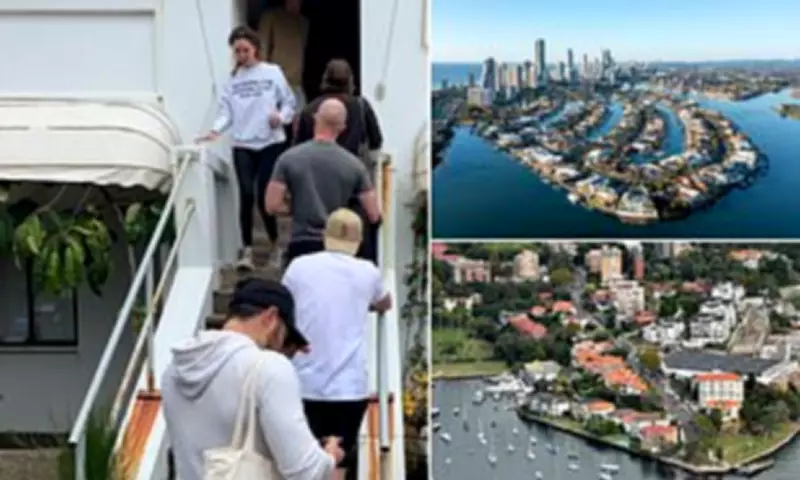
The Gold Coast has dramatically overtaken both Sydney and Melbourne to claim the title of Australia's most expensive rental market. According to the latest Domain March quarterly rental report, median house rents in the popular Queensland city have soared to a staggering $900 per week, with units averaging $803.
Capital City Rental Landscape
Despite this shift, Sydney maintains its position as the country's most expensive capital city for rentals. House rents in Sydney remain at a record $800 per week, while the average unit price has held steady at $750 for two consecutive quarters. This marks the first time in five years that Sydney rents have shown such stability.
Melbourne and Perth Trends
In Melbourne, median unit rents increased by 4.3 percent in the last quarter to $600 per week. The city remains the most affordable capital for house rentals at an average of $590, despite a 1.7 percent rise. Meanwhile, Perth has seen significant growth, with unit rents jumping 5.3 percent to $695 and houses soaring by 5.7 percent to $740 per week, making it the second most expensive capital behind Sydney.

Other Capital City Updates
Across the nation, rental markets show varied patterns. Hobart's median rents rose to $620 for houses and $500 for units. Adelaide remains the cheapest capital for unit rentals at $550, despite 3.8 percent growth, while houses average $640. Brisbane has reached record highs of $680 for houses and $660 for units. Darwin house rents increased by 2.9 percent to a record $720, with units steady at $600. Canberra rents remained unchanged at $580 for units and $700 for houses.
Vacancy Rates Hit Record Low
While rents in several capitals have stabilized, national vacancy rates have plunged to a historic low of 0.7 percent. The Domain report highlights that markets such as Perth, Adelaide, and Hobart remain extremely constrained, while previously softer markets like Melbourne and Canberra are tightening again.
This confirms demand remains strong and supply insufficient - but the price response is becoming more uneven and less responsive, the report states.
Affordability Crisis Intensifies
Domain chief of research and economics Dr Nicola Powell explained the complex dynamics at play. We're still seeing the same underlying conditions of high demand and low supply pushing rents up, but now unaffordability is putting the brakes on how much further they can go, she said. Usually, a low vacancy rate translates immediately into rental growth, but that connection is now loosening as such shockingly high rents are pushing people's budgets to the extreme.
Tenants Forced to Adapt
Faced with rising cost-of-living expenses, fuel costs, and economic uncertainty, tenants are increasingly turning to alternative accommodation strategies. Many are moving further away from city centers or desirable suburbs, while others are opting to live with friends and family to reduce expenses.
Domain national property editor Alice Stolz told the ABC that the rental crisis is not easing, it is just going into a new phase. She added, Many renters out there are seeking more affordable options, going further down the train line and different types of accommodation. They may have once wanted a house and are now compromising and going to a townhouse, apartment or a unit.
The combination of record-low vacancy rates and unprecedented rental prices across multiple markets indicates that Australia's housing affordability challenge has entered a critical new stage, with tenants making difficult compromises to secure accommodation.