Professional Guide to Planning a Summer Home Extension Successfully
When considering transformative home renovations, planning a dream extension to maximise living space ranks among the most impactful projects. With moving costs high and housing markets often stagnant, many homeowners are opting to invest in enhancing their current properties rather than relocating. Summer presents an ideal opportunity for such extensions, offering longer days, favourable weather, and the chance to complete work in time to enjoy the new space during the brighter months.
Costel Radescu, founder of CR Group with over 19 years of experience in property renovations, extensions, and new builds, emphasises the value of a summer extension. "Whether you're creating more downstairs space with seamless indoor-outdoor living or adding an extra bedroom as your family grows, a summer extension can transform how you live. It's just in time to make the most of brighter months and beyond," he highlights. Here, we explore everything you need to know to get started, from permissions to budgeting and finishing touches.
Understanding Planning Permission Requirements
The first critical step is securing planning permission, with different extensions requiring varying approvals. Radescu explains the specifics for common projects:

- Loft Conversion: Many loft conversions can be completed under permitted development if they stay within set size limits—up to 40 cubic metres for terraced properties and 50 for semi-detached or detached homes, without extending past the roofline or projecting beyond walls. This can save time and costs, but properties in conservation areas, flats, and listed buildings typically require full planning approval.
- Small Side Return Extension: A small side return extension or porch can often be done under permitted development if it meets extension limits, is single-storey, doesn't exceed four metres in height, takes up less than 50% of the land around the original house, and doesn't front onto a highway.
- Larger Extensions: For larger projects like double-storey extensions, relevant permission from your local council is necessary. Radescu advises checking what's already been completed on your street before applying; if neighbours have altered fronts, added loft space, or built large back extensions, your approval chances may improve.
Strategies to Avoid Exceeding Your Budget
With rising costs, staying on budget is a common concern. Radescu notes that builders should include a contingency of at least 10% of the total build cost to cover unexpected issues like plumbing problems, electrical additions, or deeper foundations. However, this contingency doesn't account for design changes mid-build, such as switching from French doors to bi-folds or altering flooring choices, which incur extra costs.
"For peace of mind, sit down with your builder and list absolutely everything you want," he suggests. Once you have a quote for the agreed work, decide if you have extra budget for additional features or if they should wait. "It's vital to keep that contingency for essential elements to deliver your perfect extension," he adds.
Finishing Touches Worth the Investment
Certain finishing touches significantly enhance daily use and enjoyment of the space. Radescu highlights key investments:

- Integrated Features: An island with an integrated sink and hob allows cooking while staying connected to family and guests.
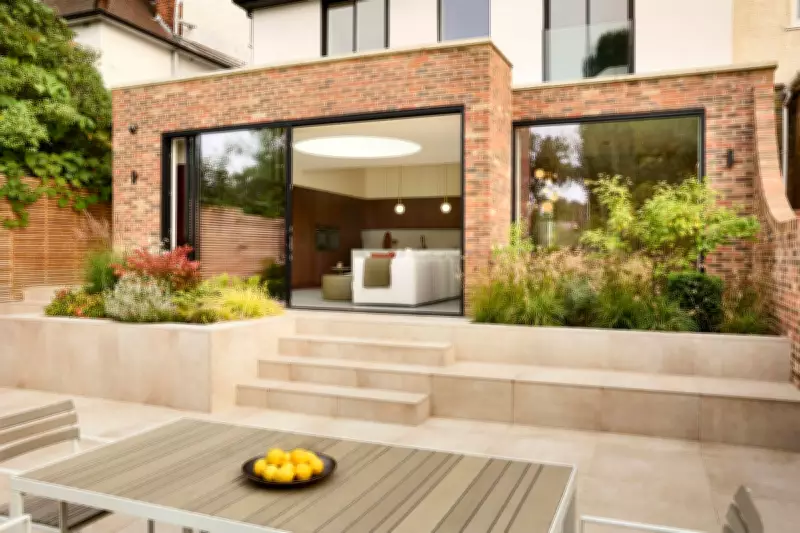
- Bi-fold Doors: These open up the space in summer, creating a seamless indoor-outdoor connection, though they can add heat, so discuss management with your builder.
- Flooring: Opt for consistent, practical options like porcelain tiles matched to patios or hardwood floors throughout downstairs areas. Underfloor heating makes quality flooring even more crucial to avoid replacements.
- Noise Considerations: For extensions like extra bedrooms or loft conversions, carpet or rugs can absorb noise, whereas hardwood might be noisy.
- Heating Solutions: In loft extensions, air conditioning may be a worthwhile add-on for comfort.
Radescu concludes, "Spend on kitchen work surfaces, flooring, and bi-folds or windows if they'll be in place long-term. The key to a successful summer extension is good planning, time management, and clear communication with everyone involved." By following these expert tips, homeowners can navigate the complexities of extensions and create a transformed living space ready for summer enjoyment.