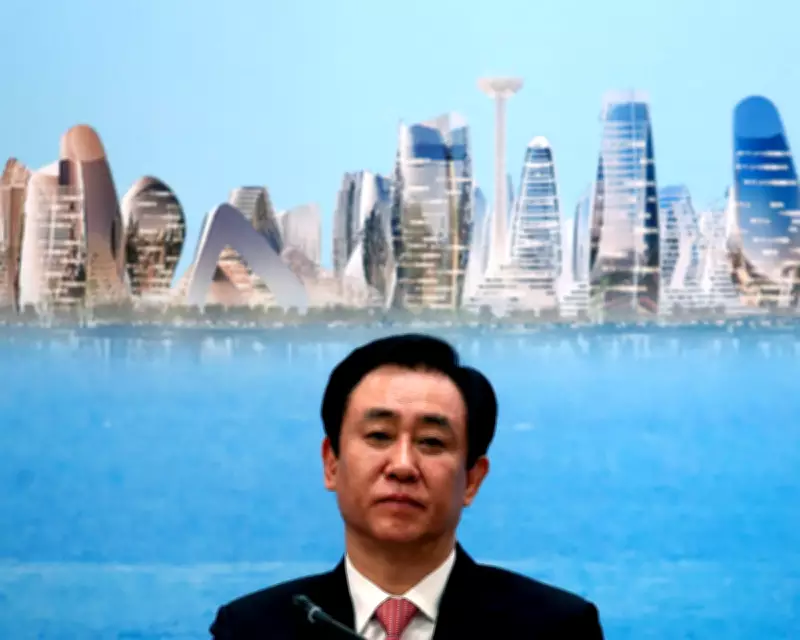
Evergrande Founder Stands Trial for Massive Financial Fraud Allegations
The founder of China Evergrande Group, Hui Ka Yan, is currently facing trial over allegations of financial fraud amounting to a staggering $78 billion. This high-profile case represents a significant escalation in the Chinese government's efforts to address misconduct within the country's troubled property sector, which has been grappling with a severe crisis for several years.
Details of the Fraud Charges and Legal Proceedings
According to reports, the trial involves accusations that Hui Ka Yan and other executives at Evergrande engaged in fraudulent activities, including inflating revenues and concealing debts. The alleged fraud, which totals approximately $78 billion, is one of the largest financial scandals in China's corporate history. The legal proceedings are being closely watched by global markets and investors, as they could set a precedent for how China handles similar cases in its real estate industry.
The trial comes at a critical time for Evergrande, which defaulted on its debts in 2021 and has since been struggling to restructure its massive liabilities. The company's collapse has sent shockwaves through the Chinese economy, affecting millions of homebuyers and contributing to a broader slowdown in the property market.

Impact on China's Property Sector and Economic Implications
The Evergrande crisis has exposed deep-seated issues in China's property sector, including excessive leverage, speculative investments, and regulatory gaps. The trial of Hui Ka Yan is seen as part of a broader crackdown by Chinese authorities to restore confidence and stability in the market. However, analysts warn that the fallout from Evergrande's troubles could have long-lasting effects on the economy, potentially leading to job losses and reduced consumer spending.
In response to the crisis, the Chinese government has implemented measures to support the property sector, such as easing mortgage rules and providing liquidity to developers. Despite these efforts, the sector remains fragile, with many other developers facing similar financial pressures.
Global Reactions and Future Outlook
Internationally, the trial has drawn attention to the risks associated with China's property bubble and the potential for contagion to global financial markets. Investors are monitoring the situation closely, as the outcome could influence foreign investment in Chinese real estate and related industries.
Looking ahead, the trial of Hui Ka Yan is expected to be a lengthy process, with potential implications for corporate governance and regulatory enforcement in China. If convicted, he could face severe penalties, including hefty fines and imprisonment, which would send a strong message to other corporate leaders about the consequences of financial misconduct.
Overall, this case underscores the challenges facing China's property sector and the government's determination to address systemic issues through legal action. As the trial progresses, it will likely continue to be a focal point for discussions on economic stability and reform in the world's second-largest economy.