
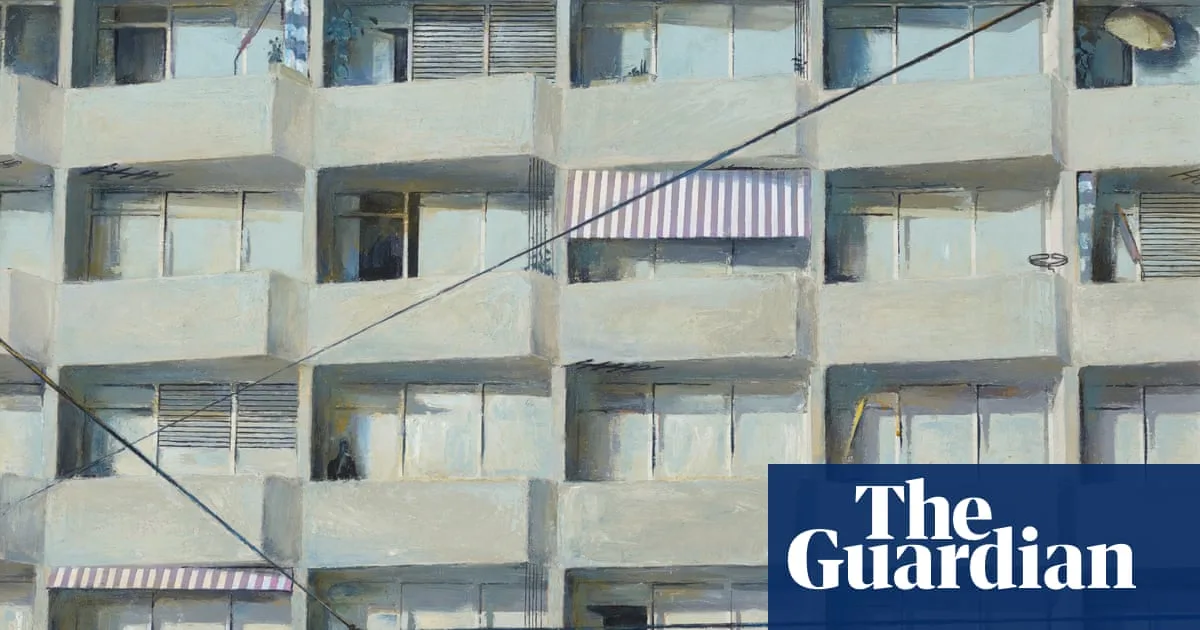
A new exhibition in Potsdam is re-examining the legacy of East Germany's prefabricated housing blocks, known as Plattenbau, exploring their role as both a symbol of socialist utopia and a canvas for social change. The show, titled 'Wohnkomplex (Living Complex) Art and Life in Prefabs', features 50 works by 22 artists, most of whom lived in or near these standardised developments.
Curator Kito Nedo notes that the exhibition addresses the 'housing question' that remains unresolved today, whether under dictatorship or democracy. 'The biggest question in the room, more relevant than ever in Germany and cities across Europe, is how to create affordable, quality housing,' he said. The GDR's housing plan was a historic attempt to solve this, and politicians are still called upon to find answers.
From the 1970s, a flat in a Plattenbau was considered desirable, offering amenities like indoor toilets, open-plan kitchens, district heating, and nearby facilities such as schools, childcare, and polyclinics. The speed of construction is captured in Sonya Schönberger's silicone sculptures, which preserve footprints and paw prints left in wet concrete slabs between 1984 and 1988.
Despite progressive designs intended to promote gender equality, artist Kurt Dornis's painting 'Second Shift' highlights the reality that many women still bore the brunt of domestic work. Standardisation led to jokes about electricians finding power sockets blindfolded, and residents never needing to ask where the toilet was in a stranger's home.
Author Grit Lemke recalls a strong sense of community in Hoyerswerda, a socialist model city, where children played 'prefab tag' and everyone knew each other. However, the blocks also drew criticism for lack of individuality, earning derogatory nicknames like 'workers' lockers'. Writer Heiner Müller mocked them as 'fuck cells with district heating', while Brigitte Reimann called them 'faceless and interchangeable' in her novel 'Franziska Linkerhand'.




