Wealthy Chelsea Residents Object to Cancer Hospital Expansion Over Property Value Fears
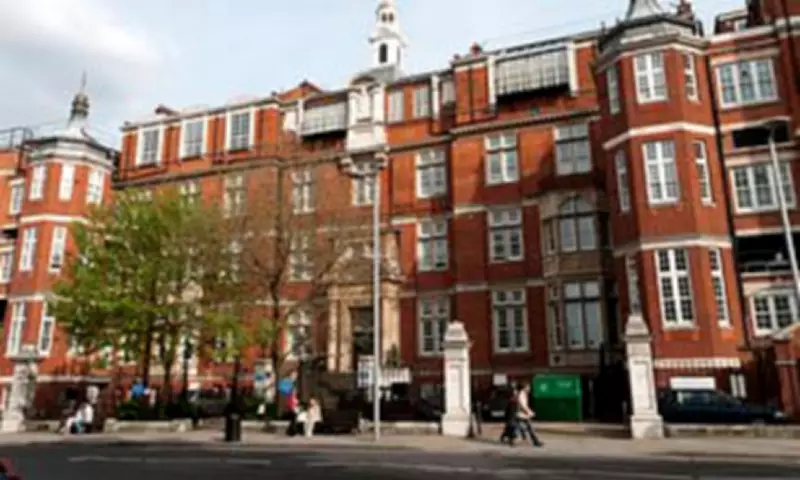
Affluent residents in one of London's most exclusive neighbourhoods have raised strong objections to the proposed expansion of a world-leading cancer hospital, with many expressing concerns that the development could significantly reduce their property values. The Royal Marsden Hospital in Chelsea, renowned as Europe's premier comprehensive cancer centre, seeks to modernise its facilities through the construction of a new seven-storey building, aiming to become 'fit for the future'.
Residents Voice Concerns Over Noise, Pollution, and Light Deprivation
A feedback portal opened last week on the local council website has already been flooded with objections from well-heeled locals. Many cite issues such as 'noise', 'pollution', and an alleged 'loss of light' to properties on surrounding streets. One resident stated emphatically, 'I wish to object to the proposed planning application. This redevelopment will lead to multiple years of noise, air pollution, construction dust and traffic disturbances directly affecting me.'
The objector continued, 'It will cause a loss of privacy as a result of the redeveloped building directly overlooking into our home, an overbearing sense of enclosure and light deprivation, as well as irreparable harm to the character and appearance of the conservation area. Property value will be greatly affected by this project during and after the proposed redevelopment.'

Multi-Million Pound Property Worries Take Centre Stage
The owner of a grade-II listed townhouse, valued at an estimated £6 million, voiced similar anxieties, saying, 'The scale and impact of this development will inevitably reduce the value of my home and may render it significantly less attractive, or even unviable, as a residential property.' Another opponent described the proposal as 'horrendous' and an 'overbearing incursion to all neighbours', adding that five years of construction would disrupt the area's tranquillity, which was a key attraction for moving there.
Denise Barron, a businesswoman residing on Chelsea's Sydney Street, objected on the grounds that the development would 'block sunlight' from reaching her home. She acknowledged, 'It's a wonderful hospital but it's just the effect it will have on my property,' and confirmed it would 'absolutely' affect her home's value.
Hospital's Vital Role and Expansion Justification
The Royal Marsden NHS Foundation Trust, which sees and treats over 60,000 NHS and private patients annually, argues that the modernisation is essential. A planning statement explains, 'The massing of the Proposed Development reflects a careful balance between addressing the local context and the clinical space needs of the hospital. The design has been informed by demand modelling which has been based on a series of future service assumptions and analysis of historic trends.'
The redevelopment plans involve creating a new building towards the rear of the site through demolition of existing structures. This will include a new extension with basement, ground plus six storeys; a frontage building with ground plus two storeys; and a winter garden with ground plus two storeys. The NHS trust asserts these changes could increase capacity by up to 50 per cent, enhancing its ability to provide pioneering cancer treatments.
Support from Some Residents and Royal Connections
Despite the objections, some residents have expressed strong support for the application. One supporter stated, 'I strongly support this development. I cannot think of a more worthy reason to extend this historic medical site than to better support people suffering from cancer relying on our state funded healthcare.' Another added, 'Myself and my husband have both received care at The Royal Marsden at this location. Early diagnosis of cancer has increased the number of procedures and care to enable patients to survive. The Royal Marsden is well known for its pioneering treatments and so to extend the size of the current building to increase the possibilities of dealing with as many more patients as possible, can only be an enormous benefit to the treatment of cancer.'

The hospital, opened in 1851 as the world's first dedicated cancer hospital, holds a special place in public affection, notably as where Catherine, Princess of Wales received treatment. Last month, she sent a touching message to patients and staff, accompanied by a bouquet of yellow narcissi, saying, 'To the Patients and Staff at The Royal Marsden, As spring arrives, these narcissi from the Isles of Scilly are to say I am thinking of you all.'
Decision Pending After Years of Consultation
Residents, patients, and community groups have been consulted about the plans over the last few years. The Royal Borough of Kensington and Chelsea is expected to make a final decision on the planning application at the end of June, balancing the hospital's critical healthcare mission against local residents' concerns over their quality of life and property investments.