
British owners of holiday homes in Spain are increasingly turning to private eviction companies to remove squatters, some of whom demand 'ransom' payments to leave. The trend has been fuelled by slow court processes, with legal evictions sometimes taking up to two years.
One British homeowner, Michael Regan, discovered his property in the Catalan town of Sitges had been occupied while he was in London during lockdown. After police said they would need to take the case to a judge, Regan hired FueraOkupas, a company that uses martial arts experts to negotiate with squatters. The firm charged him €3,500 (£3,000) and successfully secured the property's return after the squatters agreed to leave in exchange for payment.
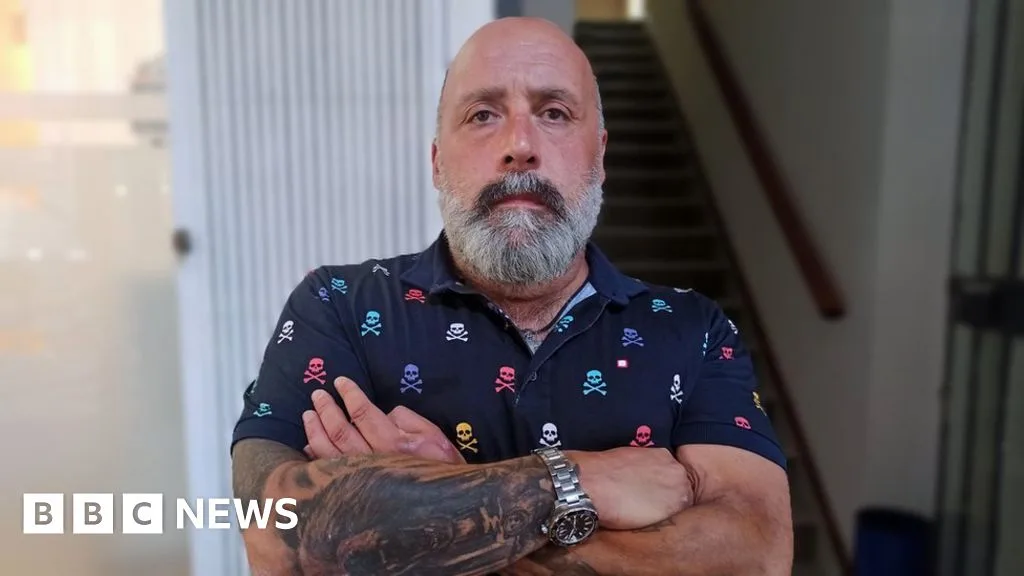
Jorge Fe, director of FueraOkupas, said his team receives 150 calls a day, with 25% relating to squatters. He described the process as 'like a children's game' for his champion fighters. Property lawyer Santi Ventalló noted that extortion occurs in 1-2% of cases but warned it could become more common due to legal delays.
A self-confessed former criminal, speaking anonymously, claimed to have broken into around 50 properties in the past year, targeting expensive flats owned by banks and finance companies. He said he demands payments of €10,000 to €12,000 per property, depending on its value, and that banks often negotiate rather than face damage to their assets.
Spain has an estimated 10,000 empty flats or homes in Barcelona alone, a legacy of the 2008 financial crash. While squatting has long been associated with homelessness, the rise of organised extortion is a newer, darker phenomenon, prompting homeowners to seek private solutions outside the legal system.




