The entire remote Australian settlement of Licola has been placed on the market for an asking price of approximately £5 million, triggering significant apprehension among its handful of residents about the potential demise of their unique community.
A Remote Community Facing an Uncertain Future
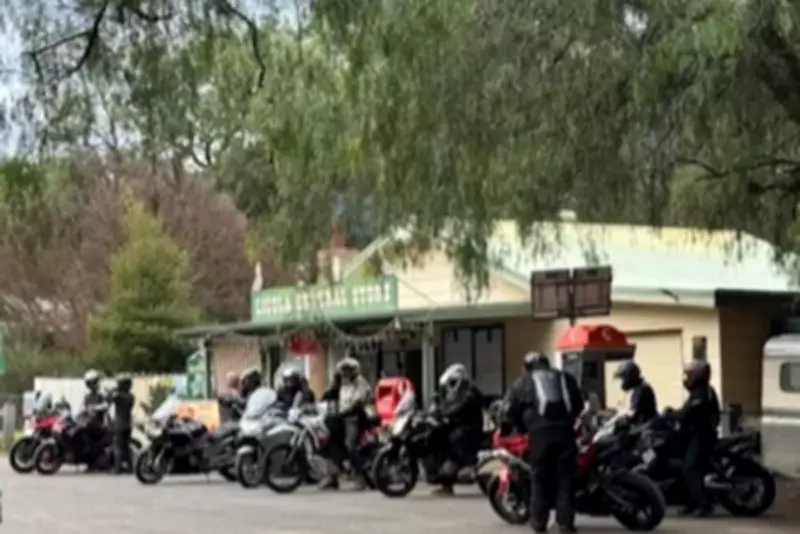
Licola, a secluded town situated in Victoria's High Country roughly 250 kilometres east of Melbourne, currently has a permanent population of only five individuals. The property listing encompasses the entire township, which spans about 42 acres and includes essential infrastructure such as a general store, a petrol station, a caravan park, and several traditional weatherboard buildings.
Historical Stewardship and Changing Circumstances
The town has been under the ownership of the Lions Clubs of Victoria and Southern NSW for more than five decades. The organisation originally acquired the site, a former timber mill, in the late 1960s and transformed it into a wilderness village. For generations, it has served as a venue for camps catering to disadvantaged children, young people, and groups with special needs.

Strategically located on the banks of the Macalister River, Licola has also functioned as a vital rest stop for travellers journeying into the Alpine National Park, providing fuel, food, and accommodation in a region otherwise lacking in services. Notably, it holds the distinction of being the only town in Victoria not connected to the state electricity grid. The community generates its own power through a solar microgrid system and independently manages its water treatment and waste disposal.
Resident Reactions and Community Mobilisation
The decision to sell has caused considerable alarm among Licola's residents and its wider network of supporters. Leanne O'Donnell, who operates the general store and lives in the town with family and friends, discovered the online listing late last year. Her lease was not renewed, and she has been instructed to vacate the property.
"I absolutely love this town," Ms O'Donnell told the BBC. "If it gets into the hands of a developer and turns into something that it's not, it will just break my heart." Her sentiments have resonated widely, with an online petition demanding the store remain open and Ms O'Donnell be allowed to stay garnering over 8,000 signatures.
In a bold move to preserve the town's character, Ms O'Donnell has initiated a fundraising campaign with the ambitious goal of purchasing Licola outright to maintain community control. On a dedicated GoFundMe page, she emphasised that Licola is not just a town but a rare, peaceful, fully off-grid community that provides essential services as a lifeline for both residents and travellers. She warned that these critical services could vanish if the town is sold to private developers.
The Campaign for Community Ownership
The fundraising effort aims to secure up to A$8 million to submit a bid for the entire township. The longer-term vision involves establishing a community ownership model, potentially through a trust or cooperative structure. Ms O'Donnell has assured potential donors that contributions would be refunded if the purchase does not proceed, although the fundraiser was temporarily paused recently.
Owner's Perspective and Economic Realities
In a statement, a spokesperson for the Lions Village Licola board explained that the sale decision followed an operational review which concluded that continuing ownership was no longer viable for the organisation. Key factors included rising operational costs, significant insurance pressures, ageing accommodation facilities, and a marked decline in school and camp attendance.
Denis Carruthers, the board's chairman, stated that the organisation had a responsibility to protect its broader charitable mission rather than the physical site alone. "The decision to sell was not made lightly," he affirmed, noting that district governors had been briefed and supported the move. The board indicated that proceeds from the sale would be reinvested into a new foundation to fund professionally managed camps for disadvantaged children across Victoria, though the future of camps at Licola itself remains uncertain. A planned camp for January was already cancelled due to low enrolment.

Market Interest and Lingering Concerns
Mr Carruthers reported "considerable interest" in the property from potential buyers. However, for the residents and loyal supporters of Licola, deep concerns persist that the auction could signify the end of an era for this rare, self-sufficient settlement. The town's survival has historically depended on community stewardship and a non-commercial ethos, qualities that many fear could be lost under new ownership, fundamentally altering the character of this unique Australian outpost.