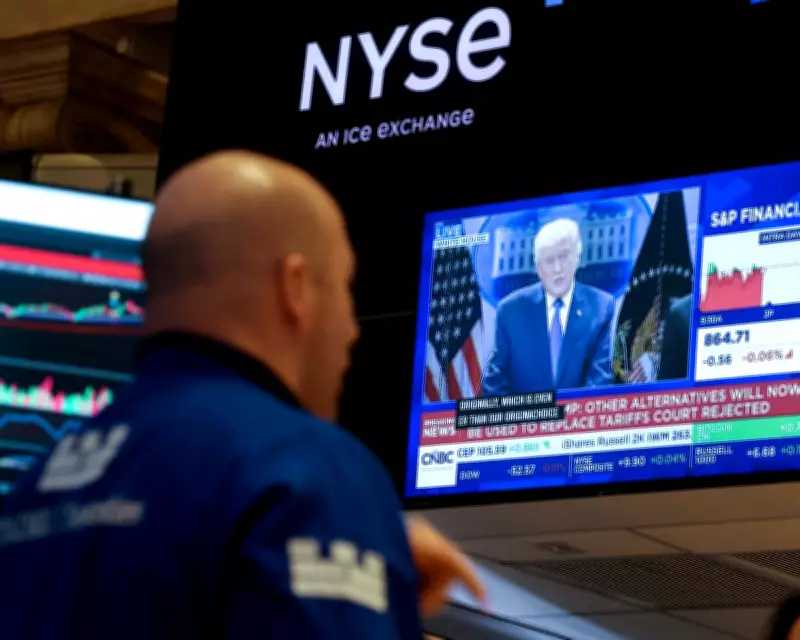
Global Financial Markets Plunge Amid Trump Tariff Announcement
Financial markets across the globe experienced significant losses on February 23, 2026, as former President Donald Trump unveiled plans for sweeping global tariffs, causing a sharp decline in the US dollar and major stock indices. The announcement, which came amid ongoing legal scrutiny from the Supreme Court, has sent shockwaves through international economies, raising concerns about potential trade wars and economic instability.
Impact on US Dollar and Stock Markets
The US dollar fell sharply against a basket of major currencies, reflecting investor anxiety over the proposed tariffs. Simultaneously, stock markets in the United States and abroad recorded substantial losses, with indices such as the Dow Jones and S&P 500 dropping by several percentage points. Analysts attribute this downturn to fears that Trump's tariff policies could disrupt global supply chains, increase consumer prices, and slow economic growth.
Supreme Court's Role in the Turmoil
Adding to the market volatility, the Supreme Court is currently reviewing legal challenges related to Trump's tariff authority, creating further uncertainty for investors. The court's pending decisions could either uphold or block the implementation of these tariffs, making it a critical factor in market predictions. Legal experts suggest that a ruling in favor of the tariffs might exacerbate the economic fallout, while a rejection could provide temporary relief to markets.

Global Economic Repercussions
The proposed tariffs have sparked warnings from international leaders and economic organizations about the risk of retaliatory measures and a broader trade conflict. Countries heavily reliant on exports to the United States, such as China and members of the European Union, are particularly vulnerable to these changes. Economists predict that if enacted, the tariffs could lead to:
- Increased inflation rates worldwide
- Reduced corporate profits and investment
- Potential job losses in export-dependent industries
- Heightened geopolitical tensions
Market analysts advise investors to monitor developments closely, as the situation remains fluid with potential for further declines or recoveries based on political and legal outcomes.