
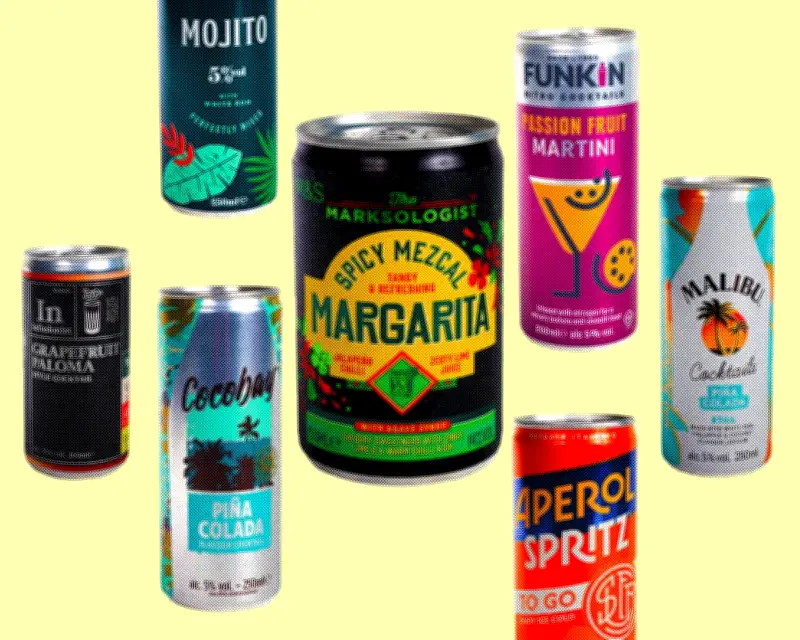
Sales of premixed cocktails in cans have surged in Britain, with the market tripling in volume between 2020 and 2023, according to the International Wine and Spirits Record (IWSR). Marks & Spencer, which first sold canned gin and tonic 40 years ago, now stocks over 40 varieties and sells 150 cans a minute during summer weekends. The trend has spread to every supermarket and corner shop, with brands like Moth, Pocket Negroni, and Funkin offering everything from margaritas to negronis.
From Train Cans to Supermarket Shelves
Jimmy McIntosh, founder of @londondeadpubs, notes that canned cocktails feel more discreet than beer on public transport. Despite TfL's 2008 ban on drinking, many passengers now sip from small cans. The appeal is partly aspirational: as David Inglis, professor of social sciences at the University of Helsinki, explains, “When we’re holding the can, we’re drinking what it tells us about ourselves, which is often an idealised, aspirational version of who we are.”
M&S's early offerings were simple rum and coke or gin and tonic at £1 (about £3 today). Now, prices start at £2.50, and the range includes elaborate concoctions like Limoncello spritz and raspberry rose vodka seltzer. Ocado and Sainsbury's each stock about 50 varieties. Independent brands, such as Psychopomp Microdistillery in Bristol, sell bar-strength cocktails for £6 a can.
Who Is Drinking Canned Cocktails?
According to IWSR data, 40% of canned cocktail drinkers in the UK are millennials, 26% are Gen Z (over 21), 24% are Gen X, and 10% are boomers. More than half are women, and more than half are middle-income. Inglis says the drink is “widely considered to be a harmless drink drunk by a harmless person bought from a harmless shop.” Yet alcohol content can be high: M&S margarita is 8% ABV, while Moth's smaller can is 14.9%.
The financial appeal is strong: a bar cosmopolitan costs at least £12 for 100-135ml, while a can of similar size is a fraction of the price. As Iris Murdoch wrote in The Sea, the Sea: “One of the secrets of a happy life is continuous small treats.”
The Alcopop Panic vs. The Canned Cocktail
Jem Roberts, head of external affairs at the Institute of Alcohol Studies, compares canned cocktails to alcopops of the early 2000s, which faced moral panic and calls for regulation. “You could put rum and coke in a bottle and call it an alcopop and it sounds rowdy and troublesome. But put the same thing in a can, call it a cocktail, and sell it in a food hall to socially responsible people, and it sounds far more sophisticated,” he says.
Inglis adds that moral panics “never came out of an M&S food hall.” The stigma around public drinking has shifted: a canned cocktail signals a consumer with taste and budget, rendering them unthreatening. However, the underlying purpose remains the same: to get drunk.
Aspiration and Fantasy
The selling point of canned cocktails is largely aspiration, says Inglis. He compares it to the Aperol Spritz craze, which succeeded despite many finding it tastes like marmalade. The same marketing logic applies: textured labels and minimalist typography create an aura of class. Even the Diane Abbott incident in 2019, when she was photographed drinking an M&S mojito on a train, boosted sales. Janet Street-Porter criticised her in the Mail, but sales of canned mojitos shot up shortly after.
Despite the boom, youth drinking is declining. Gen Z drinks less than older generations, according to the British Medical Journal. Yet canned cocktails remain popular among millennials and middle-class women, who see them as a post-work treat and a form of self-care.




