
The current economic downturn, triggered by the coronavirus pandemic, has revived memories of the 2008 Great Recession. However, economists argue that the two crises differ fundamentally in cause and may require different responses.
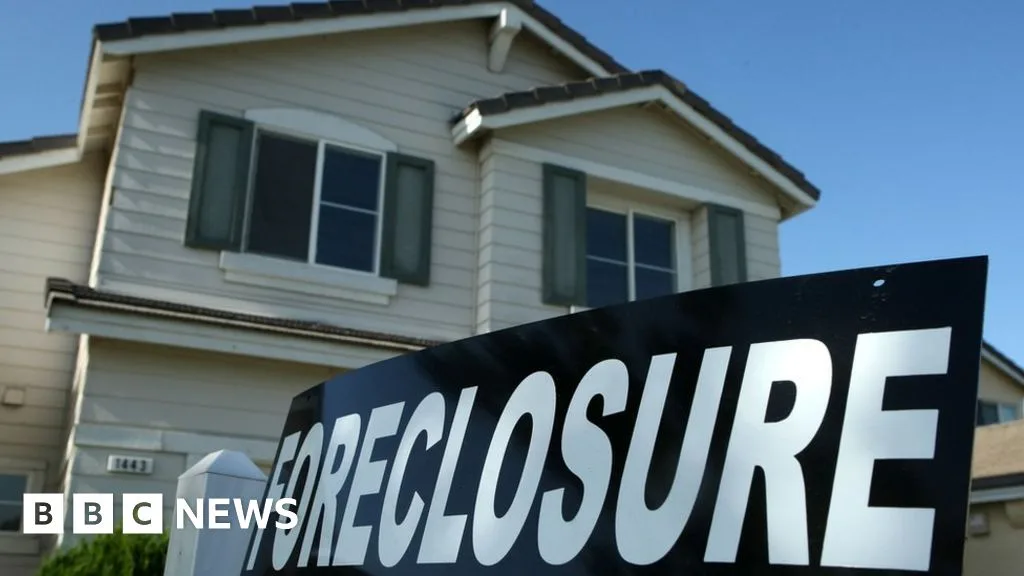
The 2008 recession was caused by poor decisions on Wall Street, where banks issued mortgages to high-risk borrowers and bundled them into securities. When foreclosures rose, banks failed, leading to a government bailout under the Troubled Asset Relief Program (Tarp) and reforms like the Dodd-Frank Act.
In contrast, the current recession stems from an external shock—the pandemic—which forced businesses to close. The financial system is now in better shape, partly due to post-2008 reforms. Markets have partially recovered, and banks are healthier, says economist Todd Knoop.
However, aiding millions of small businesses is more complex than bailing out a few large banks. Duke University's Campbell Harvey notes that while 2008 bailouts targeted 25 top financial institutions, today's crisis affects 30 million small firms, making aid delivery challenging.
Unlike 2008, when policymakers initially expected markets to self-correct, governments are now taking an active role. The Federal Reserve has cut rates and launched quantitative easing, while stimulus packages aim to support the economy.




