UK Government Announces Comprehensive Steel Strategy to Preserve Domestic Manufacturing
The Government has unveiled a significant new Steel Strategy with the ambitious goal of ensuring up to 50% of all steel used within the United Kingdom is manufactured domestically. This represents a substantial increase from the current level of approximately 30%, marking a decisive shift in industrial policy designed to safeguard critical national infrastructure and defence capabilities.
Trade Measures and Financial Support
As part of this strategic initiative, ministers have confirmed that overall quota levels for steel imports will be reduced by 60% starting in July, compared to existing arrangements. Any steel imported above these newly established quotas will be subject to a substantial 50% tariff. This move is intended to protect the UK steel sector from the pressures of global overcapacity and ensure its long-term viability.
Furthermore, the National Wealth Fund has been designated as the primary mechanism for delivering up to £2.5 billion in financing for investment within the steel sector during this Parliament. This financial backing is seen as crucial for modernising production facilities and supporting the workforce.
Official Announcement and Industry Response
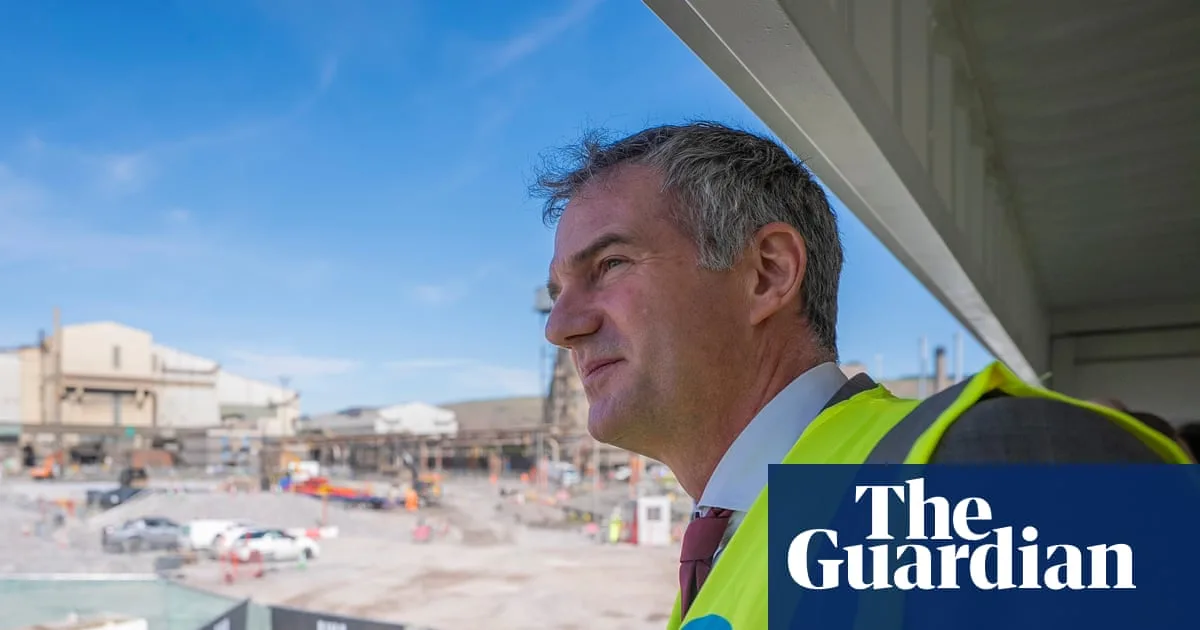
Business and Trade Secretary Peter Kyle detailed the strategy during a visit to Tata Steel's Port Talbot plant in South Wales. He issued a stark warning, stating that without such decisive action, the UK's steelmaking capability faces "real jeopardy," which would leave the nation dangerously reliant on overseas suppliers for materials essential to energy security, defence, and transport infrastructure.
"Making steel in the UK is vital for national security, critical infrastructure and the wider economy," Mr. Kyle asserted. "Steel-making is a cornerstone of our modern industrial policy that deliberately focuses support for key industries, technologies, and strategically important sectors. With this strategy we are closing the decades-long chapter of destructive de-industrialisation and committing instead to strengthening and sustaining Britain as a steel-making nation."
The strategy formally confirms electric arc furnaces (EAF) as the future of British steelmaking, accelerating the transition from traditional blast furnaces to cleaner, EAF-based production that utilises recycled scrap metal to support the UK's net zero ambitions. This technological shift, while environmentally progressive, has unfortunately led to job losses at plants like Port Talbot.
Union and Industry Leadership Reactions
Roy Rickhuss, General Secretary of the Community union, welcomed the announcement: "Since taking office in 2024, the Government has taken many decisive steps to support the steel industry and those who work within it. This strategy represents the culmination of these efforts... The trade measures outlined represent a bold and significant step forward, strengthening our domestic industry."
Gareth Stace, Director General of UK Steel, praised the government's approach: "This is a significant moment... The Government's bravery in taking the required measures represents a real shift in the culture of Westminster from protecting the ideology of free trade at any cost, to defending critical industries and national security."
Welsh Perspective and Future Outlook
Secretary of State for Wales, Jo Stevens, emphasised the strategy's importance for Welsh industry: "The UK Government is standing up for Welsh steelmaking... Welsh steel is expected to account for half of future UK steelmaking. It is a vital part of the South Wales economy and a crucial part of the UK's industrial strategy, infrastructure capabilities and national security."
First Minister of Wales, Eluned Morgan, also commented positively: "The publication of the UK Government's Steel Strategy is good news for our steel communities... The commitment for 50% of steel used in the UK to be made here is important, not just for steelworkers but to the Welsh economy as a whole." She noted that Port Talbot is leading the way in the transition to electric arc steel production across Europe.
While supportive, Charlotte Brumpton-Childs, GMB National Secretary, struck a note of caution: "GMB had been calling for a steel strategy for a long time, so it's good we now have some kind of plan... But, as ever, the devil will be in the detail and key questions around ownership of Scunthorpe and the future technology mix will be key to our members and their livelihoods."
The overarching aim of the strategy is to boost domestic production to meet up to half of the UK's steel demand, thereby securing the industry's foundational role in supporting vital sectors such as national infrastructure, defence, and the burgeoning clean energy economy.