Deadly Explosion at Clairton Coke Works Highlights Systemic Safety Failures
On August 11, 2025, a catastrophic explosion ripped through U.S. Steel's Clairton Coke Works near Pittsburgh, Pennsylvania, killing two workers and injuring eleven others. The incident has cast a harsh spotlight on long-standing safety and maintenance issues at the largest cokemaking facility in the Western Hemisphere, problems that now fall to new owner Nippon Steel to address.
A Shift Turned Catastrophic
For veteran steelworker Don Furko, the day began as a normal shift. At 10:47 a.m., an ear-splitting boom erupted from the plant's Battery 13, sending a black plume of smoke into the sky. Furko, a 25-year employee and former local union president, rushed toward the chaos, donning protective gear as he went.
"I can't even explain how mangled everything was," Furko recalls. "There were flames everywhere." Workers scrambled to evacuate the injured via helicopter, with one colleague found screaming, buried beneath rubble.

Utility technician Renee Hough was in the cab of the plant's screening station when the blast hit. "My first thought was I was dead," Hough said, describing being blinded by black dust before seeing flames emerge as it settled.
Chronic Hazards and a History of Neglect
The Chemical Safety Board (CSB), a federal agency investigating the incident, stated the explosion occurred while workers were preparing to replace a damaged valve. A U.S. Steel supervisor had directed them to use high-pressure water in the procedure, a method not mentioned in official protocols. The valve, rated for 50 PSI, cracked under 3,000 PSI of trapped water, releasing explosive coke oven gas that found an ignition source.
This tragedy was not an isolated event. Clairton Coke Works has a grim history of accidents:
- In 2009, a maintenance worker was killed in a blast.
- In 2010, an explosion injured 20 people.
- In 2014, a worker died after falling into a trench.
- In February 2025, an ignition injured two.
"Since 2009, there have been three accidents that have resulted in fatalities and that is just not common in today's age of safety," said workers' compensation attorney Phillip Kondrot.
Current and former employees blame poor management and chronic underinvestment. Jonathan Ledwich, who worked on emission leaks from 2011 to 2022, cited corporate reluctance to approve necessary parts. "We did the best we could with what we had," he said.
Environmental and Regulatory Battles
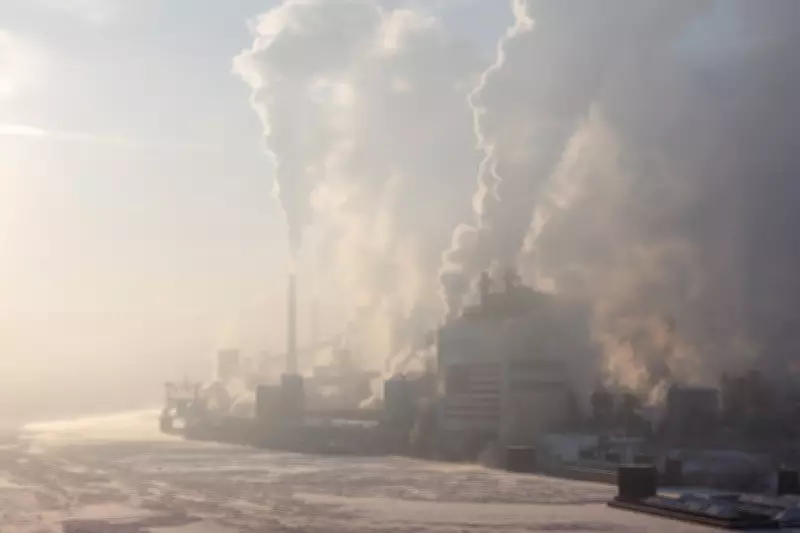
The plant has also been a persistent source of air pollution, clashing regularly with Allegheny County regulators. In 2023 alone, the county fined U.S. Steel over $2 million for violations. An analysis by Public Source and The Associated Press found Clairton Coke Works is classified by the EPA as a "high-priority violator," a status shared by only about 11% of major emitters.
"You're sort of in this cycle of patching, monitoring, fining, patching, monitoring, fining, and it's never really good enough," said former Allegheny County Health Department director Karen Hacker.
The Nippon Steel Takeover and Unanswered Questions
The explosion occurred just months after Nippon Steel's $15 billion acquisition of U.S. Steel in June 2025. The Japanese giant pledged $14 billion in domestic investment, but specifics for Clairton remain vague. U.S. Steel has stated the plant is "critical" and will be "maintained for the next generation," committing over $2 billion to the Mon Valley Works region.
Some workers report early signs of change under Nippon. "Nippon is putting money into the plant, and let me tell you, they've got a long way to go," Hough noted. "U.S. Steel let it go so bad for so long."
However, skepticism persists. "Until I see shovels start to hit dirt, then I don't believe it until I see it," said Furko, recalling a canceled $1 billion investment pledge in 2021.
Ongoing Investigations and Immediate Hazards
The CSB's investigation continues, with the agency warning in December of "potentially unmitigated hazards for workers at Clairton Coke Works that warrant immediate attention." It has recommended a comprehensive siting evaluation of all buildings to assess risks—a step U.S. Steel has not yet taken in rebuilding efforts.

U.S. Steel, in a written statement, emphasized its commitment to safety: "Safety is our core value and shapes our culture... every employee returns home safely, every single day." The company says it has strengthened protocols, including prohibiting high-pressure water for valve cleaning.
Yet for workers like Brian Pavlack, actions speak louder than words. "They try to say 'safety first, safety first,'" he said. "Safety is not the first priority for them."
As Nippon Steel assumes control, the legacy of the August explosion and the plant's dangerous history loom large. The future of Clairton Coke Works hinges on whether new ownership can break the cycle of accidents, underinvestment, and regulatory conflict that has defined it for years.