Kurt Strauss: A Life of Engineering and Resilience
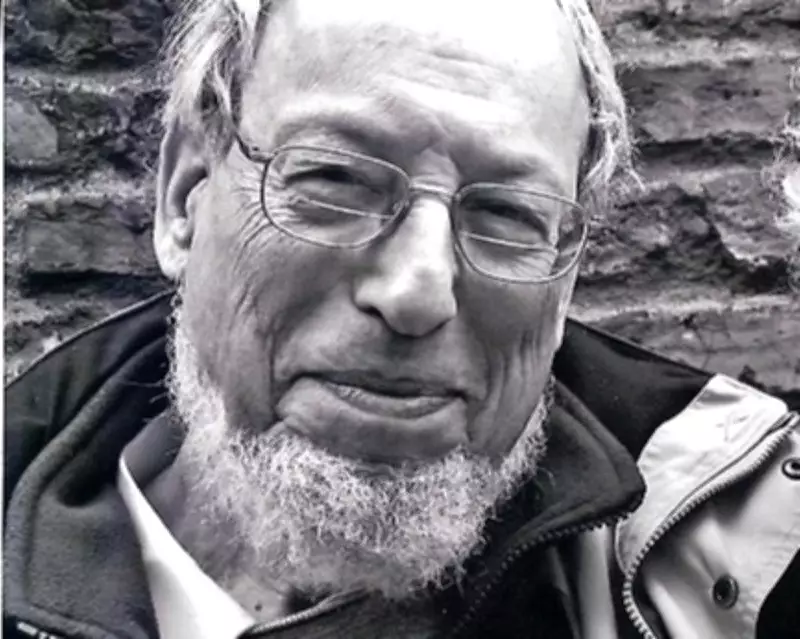
Kurt Strauss, a senior engineer who dedicated more than two decades to the Electricity Council, has passed away at the age of 95. Born in Germany, he fled the terror of the Nazi regime as a child in 1939, eventually settling in the UK where he built a distinguished career in energy infrastructure.
Early Life and Escape from Germany
Kurt was born in Degerloch, a suburb of Stuttgart, into a Jewish family. In 1937, his parents, Viktor and Marianne Strauss, sent his older brother Helmut to safety in Britain, where he attended Sidcot School in Somerset. Shortly after, Viktor was imprisoned in Dachau concentration camp. The headteacher of Sidcot brought the family's case to the Quakers' Germany Emergency Committee, leading to Viktor's release. The entire family was evacuated to London in the spring of 1939.
The Quakers later secured a place for Kurt at Sidcot School, covering most of his fees. It was there, at age 11, that he met his future wife, Ann Clark, who was in the same year. This marked the beginning of a lifelong partnership that would span decades.
Career in Engineering and International Work
After leaving school at 18, Kurt joined EMI, where he served an engineering apprenticeship while studying part-time for a degree in radio engineering. His studies were interrupted by two years of national service with the Royal Electrical and Mechanical Engineers. In 1961, he moved with Ann and their young family to Brussels, taking up a role as a control engineer with Eurovision, the pan-European television network.
One of his most notable early career moments came when he was engineer-in-charge during the night of John F. Kennedy's assassination, sharing dramatic film images with TV news channels across Europe. This experience highlighted his technical expertise and calm under pressure.
Contributions to the Electricity Council
In 1965, the family returned to London, where Kurt began his long tenure at the Electricity Council, the government body coordinating electricity supply in England and Wales before privatisation in 1990. He worked within the council's overseas relations branch, managing international relationships, technical exchanges, and consultancy services. Over the years, he rose steadily through the ranks to become associate director, retiring in 1989.
His fluency in French and German, coupled with his passion for European cooperation, made him exceptionally well-suited for these responsibilities. Kurt was known for his dedication and innovative approach, often designing ingenious contraptions and devices at home, and he was an early adopter of home computers, teaching himself programming skills.
Personal Life and Legacy
Kurt and Ann joined the Religious Society of Friends in 1961, and he served on various Quaker committees focused on peace, inter-faith understanding, and international aid. He was a man of quiet dedication and good humour, deeply committed to his family and community.
He had a love for classical music and travel, documenting his many trips with meticulous photo albums as a talented photographer. In 2006, he and Ann moved to York, where Ann passed away in 2013. Kurt is survived by their three children, Diana, Alison, and the author, six grandchildren, and four great-grandchildren. Another child, Jennifer, died at age two in 1967.
Kurt Strauss's life was a testament to resilience, innovation, and service, leaving a lasting impact on both his family and the field of engineering in the UK.