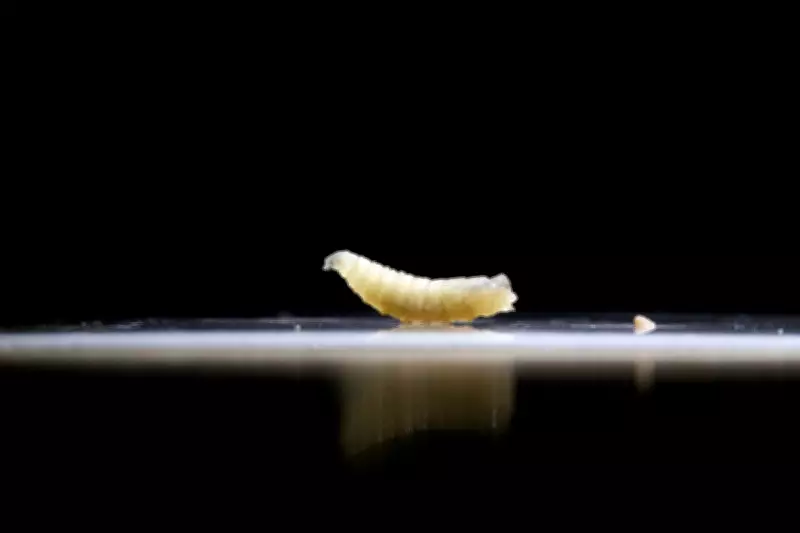
The highly destructive New World screwworm fly has been confirmed in LaPryor, Texas, marking its first appearance in the state since 1966 and only the third time in the U.S. in decades. The U.S. Department of Agriculture (USDA) announced that the parasite, known for its flesh-eating larvae, poses a significant threat to the nation's cattle industry.
Case Details and Immediate Response
The confirmed case involves a three-week-old calf in LaPryor, Texas, approximately 50 miles from the Mexico border. Agriculture Secretary Brooke Rollins confirmed the case. Texas State Veterinarian Bud Dinges established a 12-mile quarantine zone, prohibiting the movement of warm-blooded animals without inspection. Officials emphasize that the larvae are a danger to livestock but not to food safety.
Historical Context and Economic Impact
The re-emergence has prompted alarms due to historical losses of tens of millions of dollars in the 1970s. The fly's larvae consume living flesh and can cause death if untreated. The New World screwworm fly was previously eradicated from the U.S. through a sterile insect technique program.

USDA Countermeasures
To combat the threat, the USDA is employing a multi-pronged strategy:
- Releasing millions of sterile screwworm flies to disrupt reproduction
- Allocating $21 million to convert a facility in southern Mexico
- Opening a new dispersal center
- Constructing a $750 million factory
- Deploying 8,000 fly traps
- Closing the U.S.-Mexico border to livestock imports
These measures aim to prevent the spread of the parasite and protect the U.S. cattle industry from devastating losses.