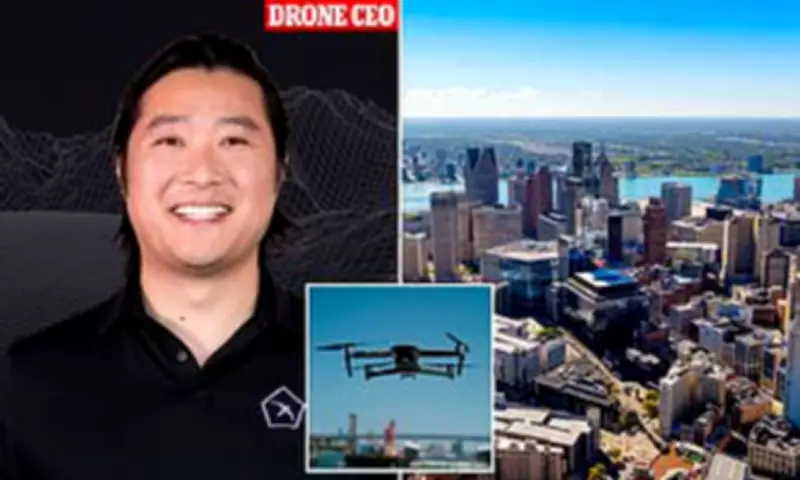
Detroit's illustrious golden years may be poised for a remarkable comeback as the Motor City transforms into America's premier drone manufacturing capital. This Michigan metropolis experienced a profound decline after the automakers that once fueled its economic boom departed in droves. However, new federal regulations encouraging a shift toward domestic drone production could spark a long-awaited manufacturing renaissance, with companies capitalising on discounted real estate opportunities.
Drone Startups Plant Roots in Detroit
One pioneering company already establishing operations is Birdstop, a drone startup that relocated to a massive downtown complex approximately six months ago, as reported by The New York Times. Birdstop's founder, Keith Miao, had never previously visited Detroit but recognised the city's potential to "become the epicenter of the US drone industry." Miao emphasised the financial advantages, noting, "Frankly, we wouldn't be able to afford 420,000 square feet in downtown San Francisco."
Ambitious Production Plans
Birdstop currently assembles around 150 drones monthly through manual processes, but Miao anticipates implementing automated production lines soon. He envisions expanding component options significantly, stating, "We want to see a future that's 12 to 18 months away where there are maybe not 150 but 15 options."

Michigan's Strategic Push for Drone Leadership
Michigan Governor Gretchen Whitmer, a Democrat, signed an executive order last July designating "advanced air mobility" as a key state priority. Her directive specifically called for enabling drone testing at "key sites including existing aviation, commercial, and defense assets." According to a report from Michigan's Office of Future Mobility and Electrification, the state aims to host the most drone tests and deployments nationwide by 2030 while attracting top-tier drone talent including technicians, engineers, and operators.
Testing Advantages Attract Companies
Blueflite, a company promoting cost-effective drone deliveries, has praised Detroit's emerging tech hub status. Andrew Zeimen, a Blueflite program manager, told the NYT, "The biggest value that we've seen here is the ability to test." This testing capability distinguishes Detroit from other potential locations across the country.
Expanding Drone Applications Beyond Commerce
Michigan's drone initiatives extend beyond commercial applications to include law enforcement and military uses. Oakland County, encompassing most Detroit suburbs, recently approved a potential three-year contract for drones to assist sheriff's office responses to 911 calls. Meanwhile, Michigan designated a 148,000-acre test site for Department of War drone activities in February.
Public Concerns and Data Privacy
Some residents have expressed concerns about data collection practices. Jenna Lindsay, a Clarkson suburb resident, questioned data security assurances, telling ClickOnDetroit, "There's absolutely no way that they can make a guarantee that this data would be safe." Authorities clarified that data would remain sheriff's office property and not be retained by collaborating company Flock Safety.
Commercial Drone Delivery Programs
Michigan has already implemented several drone delivery initiatives. The state collaborated with CVS Health for drone deliveries in Troy, approximately 25 miles north of Detroit. Another Whitmer-approved project involves drones operating within a 12-mile radius of Jack Demmer Ford dealerships statewide for rapid car parts delivery. Amazon has also conducted drone deliveries in Michigan since last year, though this program has generated local concerns about noise and flight patterns.
Market Growth Potential
The US drone market is projected to expand dramatically from approximately $5 billion currently to around $50 billion by 2030. If Detroit positions itself at the forefront of this expansion, it could catalyse broader urban revival and evoke memories of the city's manufacturing heyday. Governor Whitmer captured this optimism, declaring, "You can already see Michigan-made products on roads around the world, and soon, we'll be in the sky too." She added that Michigan was becoming "an even more attractive place for cutting-edge defense and aerospace companies to invest in, create good-paying, high-skill local jobs and grow our economy."

The Federal Communications Commission's December ban on all new foreign-made drones has further incentivised domestic production, creating additional opportunities for Detroit's manufacturing resurgence. As companies continue establishing operations and testing capabilities expand, Detroit's transformation into America's drone manufacturing capital appears increasingly plausible, potentially restoring the Motor City to its former industrial prominence.