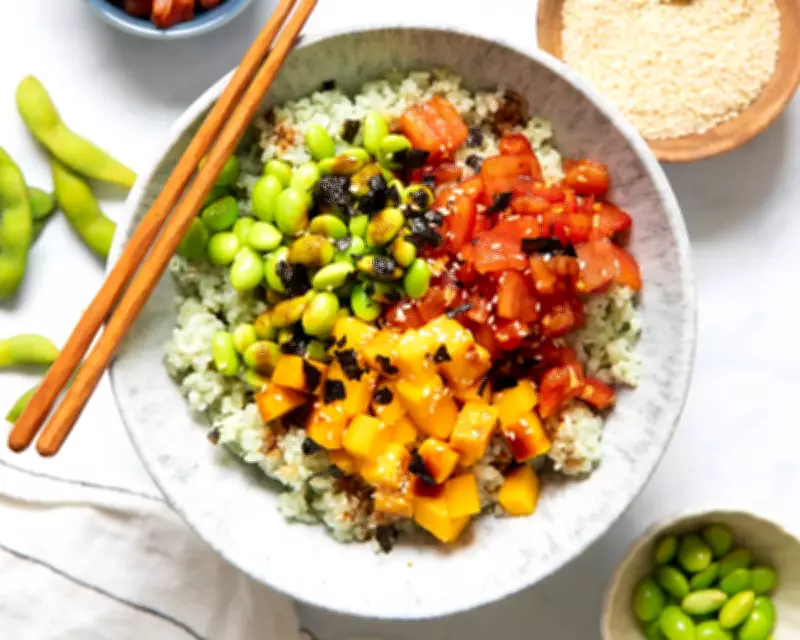
Rice is a staple food for more than half the world's population, but with so many varieties available, choosing the right one can be overwhelming. Different types of rice have unique textures, flavors, and best uses in cooking. Whether you're making a fragrant pilaf, creamy risotto, or simple steamed rice, understanding the characteristics of each variety will elevate your dishes.
Long-Grain Rice
Long-grain rice is slender and remains light and fluffy after cooking. It is ideal for dishes where separate grains are desired, such as pilafs, stir-fries, and side dishes. Popular types include basmati and jasmine rice.
Basmati Rice
Basmati rice is known for its distinct nutty aroma and delicate flavor. Grown primarily in India and Pakistan, it is a favorite for biryanis and curries. Its long grains elongate further when cooked, making it an excellent choice for special occasions.

Jasmine Rice
Jasmine rice, native to Thailand, has a subtle floral scent and a slightly sticky texture. It pairs well with Southeast Asian dishes like Thai green curry and stir-fried vegetables. It is slightly moister than basmati but still maintains grain separation.
Medium-Grain Rice
Medium-grain rice is plumper and shorter than long-grain, with a tender and slightly chewy texture. It holds together well, making it suitable for paella, risotto, and rice pudding. Examples include arborio and bomba rice.
Arborio Rice
Arborio rice is the classic choice for risotto. Its high starch content creates a creamy consistency while the grains remain al dente. It is also used in rice puddings and stuffed vegetables.
Bomba Rice
Bomba rice is a Spanish variety used specifically for paella. It absorbs more liquid than other rice types without becoming mushy, making it perfect for the socarrat—the crispy bottom layer of paella.
Short-Grain Rice
Short-grain rice is almost round and becomes very sticky when cooked. It is the go-to rice for sushi, onigiri, and Asian desserts. The stickiness allows it to be easily shaped and picked up with chopsticks.
Sushi Rice
Japanese short-grain rice is polished to remove the outer bran, resulting in a sticky, slightly sweet rice that holds its shape. It is seasoned with rice vinegar, sugar, and salt for sushi preparation.
Glutinous Rice
Also known as sticky rice, glutinous rice is extremely sticky and used in both savory and sweet dishes. It is a staple in Laos and northern Thailand, often served with grilled meats or used in mango sticky rice dessert.
Specialty Rices
Beyond the standard categories, there are specialty rices that offer unique colors, flavors, and nutritional benefits.
Brown Rice
Brown rice is whole-grain rice with the outer hull removed but the bran layer intact. It has a nutty flavor and chewy texture, and it cooks longer than white rice. It is higher in fiber, vitamins, and minerals.
Wild Rice
Despite its name, wild rice is not true rice but a grain from aquatic grass. It has a robust, earthy flavor and a chewy texture. Often mixed with other rices, it is rich in protein and antioxidants.
Black Rice
Black rice, also called forbidden rice, is deep purple-black and turns dark purple when cooked. It has a slightly sweet flavor and is packed with anthocyanins, which are powerful antioxidants.
Cooking Tips for Perfect Rice
- Rinse rice: Rinse long-grain rice under cold water until the water runs clear to remove excess starch and prevent clumping.
- Use the right water ratio: Typically, 1 cup of rice to 1.5 to 2 cups of water, depending on the variety. Check package instructions.
- Let it rest: After cooking, let the rice sit covered for 5-10 minutes to allow steam to finish the cooking process.
- Fluff with a fork: Use a fork to gently fluff the rice to separate grains without smashing them.
Choosing the right rice can transform a simple meal into a culinary delight. Experiment with different varieties to find your favorites and enjoy the diverse textures and flavors they bring to your table.