Bentley Announces 275 UK Job Cuts Amid Profit Decline and Restructuring
Bentley to Cut 275 UK Jobs as Profits Fall 42%

Bentley Announces Major Workforce Reduction Amid Financial Challenges

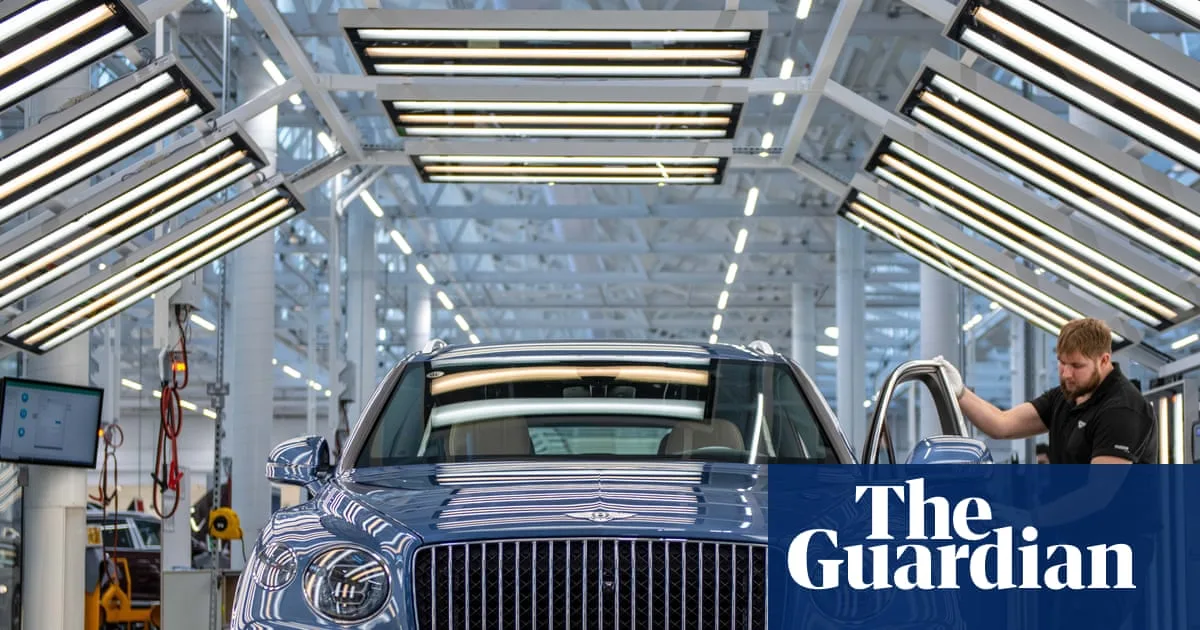
Luxury car manufacturer Bentley has confirmed plans to eliminate approximately 275 positions across its UK operations as part of a significant organisational restructuring. The company, which produces its vehicles at its Crewe facility in Cheshire, stated that these cuts equate to around 6 per cent of its total workforce of 4,600 employees.

Restructuring Impacts Management and Support Roles

The job losses will primarily affect management, agency, and non-manufacturing staff, with 150 positions at the Crewe plant specifically identified as at risk. Bentley described the move as an "organisational adjustment" designed to generate savings and enhance the company's long-term competitiveness in a challenging global market.

Frank-Steffen Walliser, Bentley's chairman and chief executive, commented on the difficult decisions, stating: "We are making some difficult decisions to ensure the long-term competitiveness of the business, including an organisational adjustment potentially impacting approximately 275 positions. I want to express my sincere appreciation to those affected – we are committed to supporting each individual with care, guidance and assistance throughout this transition."

Profits Plummet Amid External Pressures

The announcement coincides with Bentley reporting a substantial 42 per cent decline in annual operating profits, which fell to 216 million euros (£186.6 million). The company attributed this downturn to a combination of factors, including increased costs stemming from changes at its parent company Volkswagen and significant impacts from US tariffs.

Bentley emphasised that its performance has been under considerable pressure due to what it termed "a challenging global market environment." The luxury carmaker highlighted that external economic factors, particularly trade policies and post-pandemic market adjustments, have contributed to the need for strategic realignment.

Union Response and Workforce Concerns

The GMB trade union has expressed strong concerns about the sudden nature of the job cuts. Karen Lewis, a GMB organiser, remarked: "These cuts have come out of the blue and the workforce is stunned. Trump's tariffs have hit Bentley hard and the company is still feeling the effects of the Covid lockdown. GMB will stand side by side with members in Bentley to ensure the minimum redundancies and the maximum payouts."

The union's statement underscores the broader industry challenges facing UK automotive manufacturers, particularly those in the luxury segment who must navigate international trade complexities and lingering pandemic-related disruptions.

Broader Automotive Industry Context

Bentley's restructuring follows similar moves within the luxury automotive sector. Aston Martin Lagonda recently announced plans to cut nearly 600 jobs globally, representing up to 20 per cent of its workforce, as the company confronts widening annual losses.

This significant reduction at Aston Martin follows a previous round of 170 redundancies announced at the beginning of 2025. The luxury marque confirmed the latest cuts after revealing in February that it was consulting on a redundancy programme aimed at reducing costs by approximately £40 million, with most savings expected to materialise this year.

In an official statement, Aston Martin explained: "Having undertaken at the start of 2025 a process to make organisational adjustments to ensure the business was appropriately resourced for its future plans, we had to take the difficult decision at the end of 2025 to implement further changes. This latest programme will ultimately see the departure of up to 20 per cent of our valued workforce."

The parallel challenges facing both Bentley and Aston Martin highlight the particular pressures on high-end automotive manufacturers as they adapt to evolving market conditions, regulatory environments, and consumer expectations in the post-pandemic economic landscape.