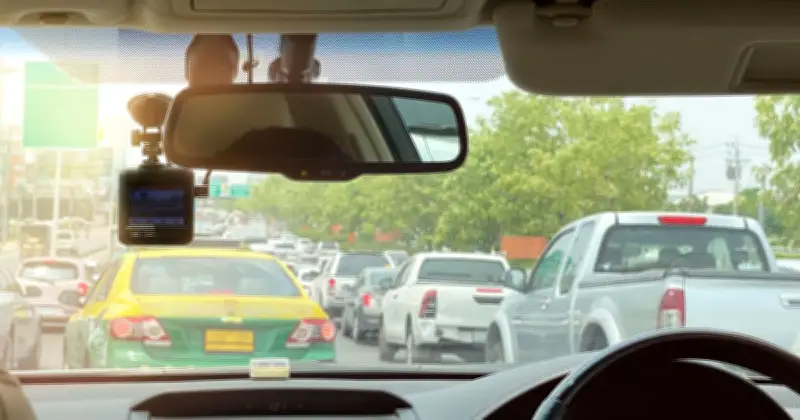
UK drivers are being urged to check a simple switch on their rear-view mirror as darker mornings and evenings increase the risk of being dazzled by headlights. Mel Savage, head of insurance product at Ripe Classic Car Insurance, warned that glare from vehicles behind can temporarily impair drivers' vision and slow their reaction times during the autumn and winter months.
The advice comes as motorists face increasingly dark commutes, with bright LED headlights and the growing number of SUVs potentially worsening glare. Ms Savage said many drivers might not realise their rear-view mirror has a manual setting designed to reduce the problem.
How the Mirror Switch Works
In most cars fitted with a manual dimming mirror, a small switch underneath the mirror allows drivers to change its angle and reduce the intensity of headlights reflected from vehicles behind them. The setting is commonly known as 'night mode' and dims the reflection to make it easier to see without being dazzled. Some modern vehicles also have mirrors that dim automatically according to lighting conditions.
Ms Savage said: "Over the past few years, LED headlights in newer cars have raised concerns about glare affecting road users.
"While they're designed to help drivers see more clearly during the darker months, the bright lights can cause temporary loss of vision, slower reaction times and result in drivers drifting out of lanes or missing hazards ahead.
"As well as this, there are now more SUVs on the road, meaning headlights can sit higher up and shine directly into other drivers' eyes."
Research Highlights Winter Risks
She added that the mirror switch could be particularly useful at this time of year. Research from Ripe Classic Car Insurance found that darkness and poor visibility were among the biggest contributing factors to collisions during the winter months.
Motorists are also being advised to take several other precautions to reduce the risks associated with dazzling headlights. Drivers should slow down if glare affects their visibility and leave a greater distance between their vehicle and the one in front. Anyone struggling to see clearly should pull over somewhere safe until their vision returns to normal.
Additional Safety Measures
Keeping windscreens and windows clean is another important step, as dirt, dust and streaks can intensify glare from headlights. Motorists should clean their windows inside and out, check their wiper blades for wear and ensure their screenwash is topped up.
Headlight alignment should also be checked regularly, particularly before the darker months. Potholes and uneven road surfaces can affect the direction of a vehicle's beams, potentially causing them to dazzle other drivers. Drivers experiencing persistent problems with headlight glare may also benefit from an eye test, as conditions such as cataracts and astigmatism can increase sensitivity to bright lights. When faced with oncoming headlights, motorists should avoid looking directly at the lights and instead focus slightly towards the left-hand edge of the road, using the markings as a guide.