
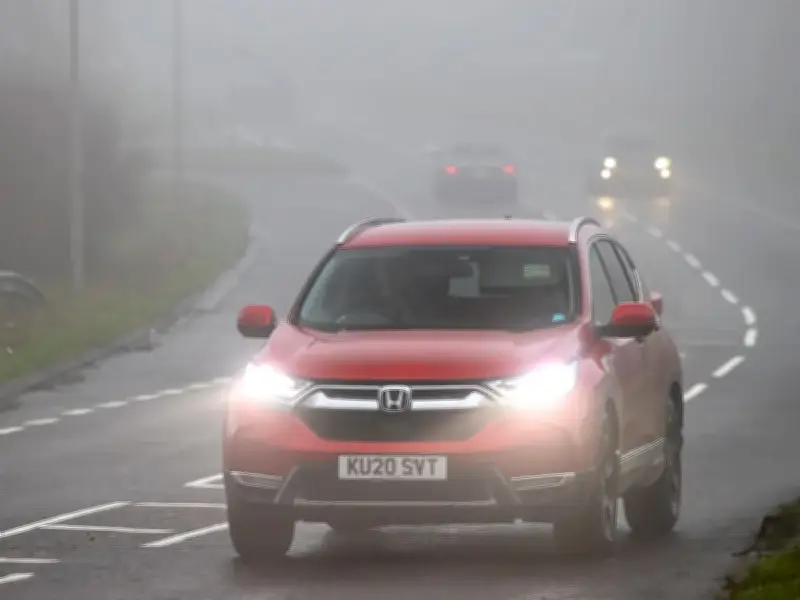
Car insurance provider Ageas is urging motorists to take extra care during their evening commute this autumn after revealing a significant increase in road collisions during peak 5pm rush hour traffic following the clock change. The clocks go back this Sunday (Oct 25), and analysis of over 500,000 Department for Transport collision records from 2021 to 2025 shows that road collisions at 5pm more than double in parts of the country in the three weeks after the change.
Sharp Rise in Serious and Fatal Collisions
Nationwide, 5pm collisions jump by 43 per cent after the clock change, but this figure varies significantly by region. Scotland is the third highest region to see an increase in post clock-change traffic collisions, up by 75 per cent. Shortly after the dark nights emerge, serious injury collisions increase by 54 per cent, while fatal collisions increase by 42 per cent.
Ageas found that this increase is likely driven by two factors - sudden darkness and deteriorating seasonal weather conditions. Across the five-year dataset, 90% of the additional 5pm collisions happened on wet, damp or adverse road surfaces.
Five Tips for the Evening Commute
To help motorists navigate the autumn transition safely, Ageas has shared five essential tips:
- Treat wet leaves like ice - Wet leaves can create a slick layer on the road that drastically reduces grip and increases stopping distances. Avoid sudden braking over leaf carpeted roads, which can also mask deep potholes and kerbs.
- Guard against low autumn sun glare - The low sun during October commutes can cause blinding glare. Keep sunglasses in the car and keep your windscreen clean inside and out to prevent low light from magnifying dirt smears.
- Clear interior windscreen fog before moving - Rapid autumn evening temperature drops can cause inner glass to mist up quickly. Use climate control and demisters to clear all windows completely before setting off - never rely on wipers alone.
- Check tyre pressure as temperatures drop - Tyre pressure drops as surrounding temperatures cool, reducing grip on wet tarmac and increasing aquaplaning risk. 1.6mm is the legal minimum depth, but some experts recommend a minimum of 3mm to 4mm for autumn and winter conditions.
- Stay alert for wildlife during peak dusk hours - Deer and other wildlife are most active at dawn and dusk during autumn. Drive with more awareness of your surroundings during these hours, especially when travelling along wooded or semi-rural commuter routes.
Ageas Urges Drivers to Adapt
Jonathan Price, Managing Director for the direct business at Ageas UK, said: "Every October, the clock change catches drivers off guard as darkness suddenly falls during the peak 5pm rush hour."
"Our research shows that this transition creates a perfect storm on the roads. It isn't just the lack of daylight that catches people out, but the combination of sudden evening darkness meeting wet, slippery autumn roads. When visibility drops and stopping distances increase, the chances of an accident rise significantly."
"We're urging motorists not to rely on summer driving habits. Checking your vehicle lights, reducing speed for the conditions, and allowing extra braking distance during the 5pm commute can make a vital difference in keeping everyone safe."




