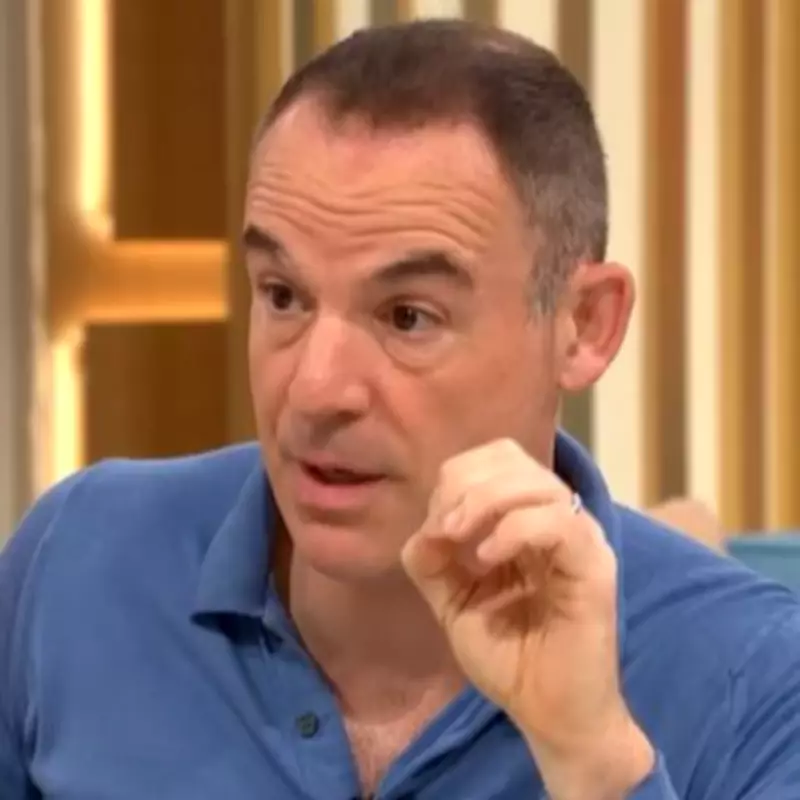
Financial guru Martin Lewis has issued vital guidance to consumers after one of his followers was unexpectedly hit with interest charges on their credit card, despite clearing their balance in full each month. The consumer champion addressed this concerning situation during a recent episode of his popular BBC podcast, where he regularly fields questions from listeners on taxes, pensions, and banking regulations.
The Surprising Reason Behind Unexpected Interest Charges
Mr Lewis responded to the listener's query by explaining there "could be a number of reasons" behind these surprise fees. He clarified that it's unlikely to be due to having one of the very rare credit cards that charges interest even when balances are cleared completely. "The vast majority don't," he emphasised, before asking a crucial diagnostic question: "Have you withdrawn cash?"
The Critical Difference Between Spending and Cash Withdrawals
The money expert then detailed the fundamental distinction in how credit card providers treat different types of transactions. "Cash withdrawals on most cards, even if you pay off in full, you have to pay interest for the month," Mr Lewis explained. "So the in full rule is, if you clear a card in full with your spending, then there is no interest to be paid at all."

The One Penny Rule That Could Cost You Hundreds
Mr Lewis delivered his most crucial warning about the precision required when paying off credit card balances. He cautioned that "even if you miss it by a penny", you'll still face an interest charge on the entire outstanding amount, not just the small remainder.
To illustrate this potentially costly pitfall, he provided a clear example: "If you have £1,000 on a credit card, you pay off £1,000, there's no interest if it's all from spending. If you have £1,000 on a credit card, you pay off £9,999.99, you don't just pay interest on the penny, you still pay interest on the entire £1,000."
He summarised this principle with his definitive rule: "That's why my rule is 'in full', not nearly in full, not close to in full, it's in full."
Additional Fees That Compound the Problem
Beyond interest charges, Mr Lewis highlighted how many banks and building societies impose additional fees for cash withdrawals using credit cards. Nationwide's guidance explains that their credit card customers making cash withdrawals could face a charge of 2.5 percent or £3, whichever is higher, on top of standard interest rates.
Lloyds Bank's website reinforces this warning, stating that using credit cards for cash withdrawals represents "an expensive way to borrow" that should be reserved "for emergencies only." Their guidance clarifies: "Every time you make a cash transaction, you will likely pay a fee. This fee can have a fixed minimum amount and may be up to 5 percent of the money you withdraw, depending on your credit card and provider."
Practical Financial Protection Strategies
Mr Lewis's advice underscores several important financial protection strategies for credit card users:
- Always pay your entire credit card balance completely, checking statements meticulously to ensure no small amounts remain
- Avoid using credit cards for cash withdrawals whenever possible due to immediate interest charges and additional fees
- Understand that different transaction types (purchases versus cash advances) have distinct interest calculation methods
- Regularly review your credit card terms and conditions, particularly regarding fees for different transaction types
The money saving expert's guidance comes as many consumers face increasing financial pressures, making understanding these banking nuances more important than ever for maintaining financial health and avoiding unnecessary charges.