US Inflation Stays Flat at 2.4% in February, Pre-Dating Iran War Effects
US inflation held steady at 2.4% in February, according to government data released on Wednesday, offering a snapshot of the economy before the US-Israel conflict with Iran triggered global disruptions. This levelling follows a volatile year where prices hit a four-year low in April, surged in September, and then eased again in late fall, reaching 2.4% in January.
Core Inflation and Sector-Specific Increases
Core inflation, which excludes the volatile energy and food sectors, stood at 2.5%. The largest price rises were observed in shelter, medical care services, and utilities. Sectors heavily reliant on imports showed clear impacts from former President Donald Trump's tariff policies. For instance, coffee prices surged by 18.4% compared to the previous year, while canned fruit and vegetables, which use steel and aluminum subject to 50% tariffs, increased by 6.2%. Furniture and bedding prices also rose by 4.2%.
Gas Prices and Pre-War Economic Sentiment
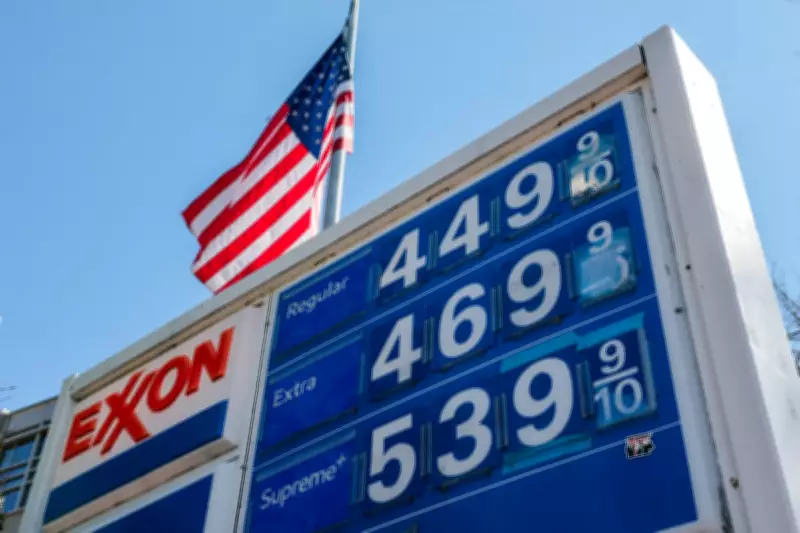
Gas prices actually declined by 5.2% over the year, a stark contrast to the sharp increases seen since the onset of the US-Israel war with Iran. Before the conflict, Americans expressed growing anxiety about rising prices with little relief in sight. Polls indicated that independents, in particular, were souring on Trump, who had promised to lower prices but implemented aggressive tariffs that shook global trade.

Tariff Developments and Job Losses
Last month, the US Supreme Court struck down much of Trump's tariff regime, prompting him to immediately introduce a new 15% tariff on all imports under a different law to circumvent the ruling. Additionally, the US economy lost 92,000 jobs in February, just before Trump joined the Iran conflict, pushing the unemployment rate up to 4.4%.
Impact of Iran Conflict on Prices
The conflict with Iran has injected significant uncertainty into global markets, triggering oil price shocks. US gas prices at the pump were just below $3 at the end of February but skyrocketed to $3.50 by 10 March. Economists estimate that every $10 increase in oil prices can lead to a 0.2% rise in overall price levels, potentially exacerbating inflation if prolonged. On Sunday, Trump dismissed concerns on social media, stating that oil price shocks from the Iran conflict are a "very small price to pay" and that "ONLY FOOLS WOULD THINK DIFFERENTLY."
Federal Reserve's Role and Economic Policy
This new inflation data will play a crucial role in the upcoming US Federal Reserve board meeting, where officials will decide on potential interest rate changes. Despite the ongoing conflict, consensus suggests the central bank will hold rates steady for a second time this year. Price increases have persistently remained above the Fed's 2% target, leading most officials to resist calls for rate cuts to avoid further inflation spikes. Trump, however, has insisted on lowering interest rates, ignoring warnings that such moves could fuel higher prices and that tariffs have worsened inflation.
The Fed operates under a "dual mandate" to keep inflation and unemployment low by manipulating interest rates. Higher rates slow the economy and cool prices, while lower rates risk higher inflation. The recent tightening in the labor market, evidenced by February's job losses, adds pressure to this balancing act.