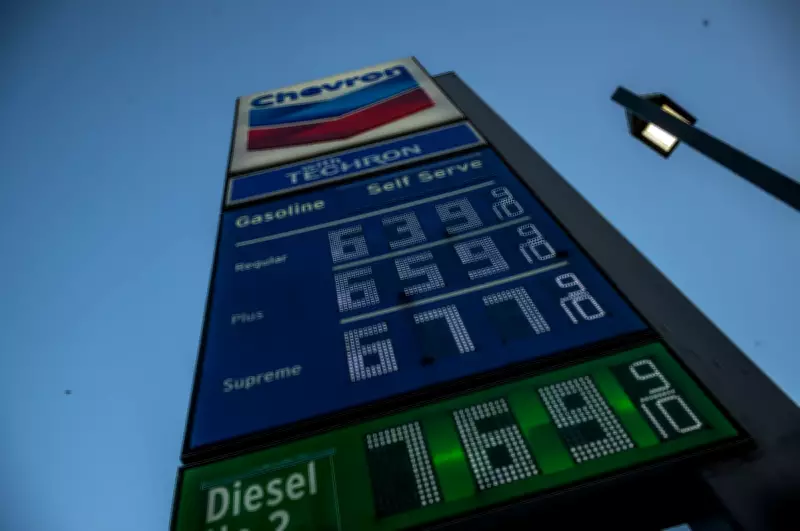
Even if the war with Iran ended today, US fuel prices are unlikely to return to prewar levels anytime soon, according to energy experts. The national average gasoline price stood at $4.55 as of 22 May, up roughly $1.50 from before the US and Israel attacked Iran in late February, said Denton Cinquegrana, chief oil analyst at Dow Jones Energy. He added, "For retail prices to drop $1.50, I think we could kiss that number goodbye for 2026."
Infrastructure and Supply Chain Challenges
About 25% of the world's seaborne crude-oil trade, or about 20 million barrels per day, transits the Strait of Hormuz, which is currently closed due to the conflict. Normally, it takes 30 to 60 days to turn crude oil into fuel, said David Ruisard, US products senior editor at Argus Media. This process includes pumping oil, transporting it to refineries, processing it, and distributing it to markets.
If the conflict ended tomorrow, experts say it is difficult to estimate recovery time due to unknowns about the state of oil wells, refineries, and ports in the Persian Gulf. Even undamaged Gulf wells use traditional pumping methods that take longer to restart than US shale wells. Refineries also need time to heat up to process crude oil.

Logistical Hurdles
Clearing the backlog of traffic in the Gulf and repositioning ships could take at least three to five weeks, Cinquegrana noted. Very large crude carriers, which hold 2 million barrels of oil, move at only 13 knots per hour. "You're basically riding a bicycle on water," he said. His base case is that minimal recovery time will equal the duration of the conflict. If the war ends by late June, after 18 weeks of hostilities, recovery would take at least that long.
Ruisard said industry estimates range from six months to two years for fuel prices to return to prewar levels, even if the conflict ended immediately.
Seasonal and Demand Factors
As the war continues, seasonal influences and demand could impact prices. Gasoline and diesel prices remain near highs, while jet fuel prices have eased slightly. Concerns for jet fuel availability were high in Europe, as airlines relied on Middle Eastern refineries. Ryanair CEO Michael O'Leary noted that fewer bookings and alternative supplies have alleviated some pressure.
Ruisard said jet fuel could normalize sooner because airlines can cut flights and routes. Cinquegrana said gasoline might normalize faster than diesel, as US diesel production has been tight for years.
Gasoline prices could rise with the summer driving season, starting Memorial Day weekend. AAA projects 45 million Americans will travel at least 50 miles from home between 21 May and 25 May, potentially setting a record.
Market Volatility and Historical Context
Patrick De Haan, head of petroleum analysis at GasBuddy, said if a peace deal is announced, pump prices could initially retreat within two to three days on sentiment, but predicting summer prices is nearly impossible. If the Strait of Hormuz reopens, the national average might be in the mid-to-upper $3 range; if it remains closed, prices could approach $5 and potentially surpass records.
Fuel prices are likely to stay volatile as hostilities continue, with a war premium built in, similar to the second Gulf war under George W. Bush. The Russian-Ukraine war is the most recent analog, where prices spiked but came down as markets realized Russian production didn't drop to zero.
Even after the war ends, demand could stay high as countries replenish inventories and build new reserves. Cinquegrana said, "I wouldn't be surprised if countries like Pakistan, India, South Korea, and Japan add strategic reserves to protect against future events."