UK inflation figures for April are expected to show a slowdown from 3.3 per cent to 3 per cent, but economists warn that prices are set to rise again later this year due to surging oil prices stemming from the war in Iran and the broader Middle East conflict.
Impact of Rising Oil Prices
Since the start of March, oil prices have spiralled, leading to higher energy costs that will affect food production, manufacturing, and overheads for firms, as well as fuel costs for consumers. This threatens to reverse the progress made by the Bank of England (BoE) in bringing inflation under control after the Ukraine war triggered a spike.
April 2026 Inflation Data
The Office for National Statistics will release April's Consumer Prices Index (CPI) next week. The headline figure compares current prices to April 2025, when significant hikes in water, electricity, council tax, and other bills occurred. This higher baseline means the year-on-year increase appears smaller, giving the impression of slowing inflation. However, slowing inflation still means prices are rising, just at a slower pace than a year ago.

With incoming cost pressures from oil prices, April's figures are likely to be a brief dip in a longer-term upward trend.
Interest Rates and Economic Outlook
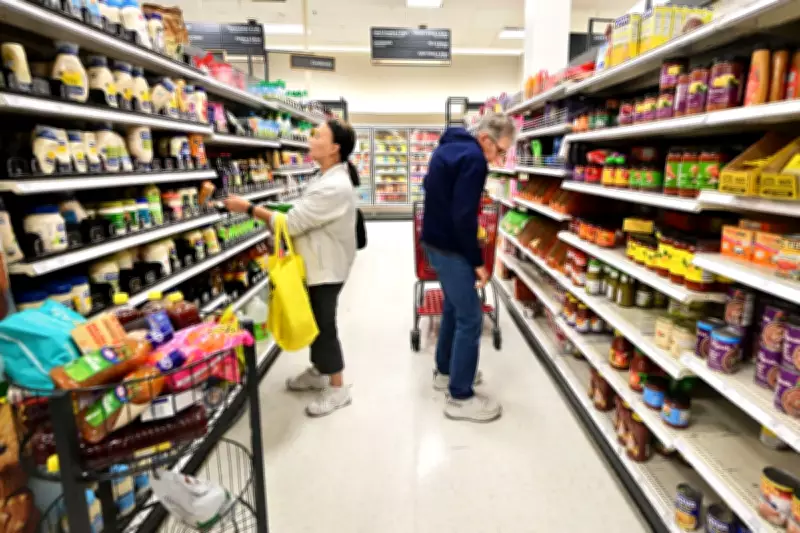
The BoE has frozen interest rates instead of cutting them as previously planned, in an attempt to curb inflation. The Food and Drink Federation predicts grocery costs could rise by 9-10 per cent later in 2026, with much of the increase feeding through in the second half of the year. Supermarket bosses have pledged to absorb some costs, but energy bills, fertiliser prices, and rising employment costs add pressure.
Deutsche Bank's chief UK economist Sanjay Raja projects headline CPI at 3.2 per cent year-on-year for 2026, dropping to 2.7 per cent in 2027. Annual inflation was 3.4 per cent in 2025 and 2.5 per cent in 2024. However, the longer the Iran war continues, the more cost pressures will feed through, prolonging high inflation and potentially leading to interest rate hikes.
Barclays analysts Jack Meaning and Cian Hennigan expect housing services, airfares, food, alcohol, and tobacco prices to slow, but durable goods, communication services, and petrol prices are rising.
As recently as February, many economists expected April 2026 to see inflation return to the BoE's 2 per cent target. The reversal highlights the UK's vulnerability to external shocks.