
UK inflation remained unchanged at 3.8% in August, according to official figures from the Office for National Statistics (ONS). The rate matched July's level and City economists' forecasts, maintaining pressure on households as the Bank of England is widely expected to keep interest rates at 4% on Thursday.
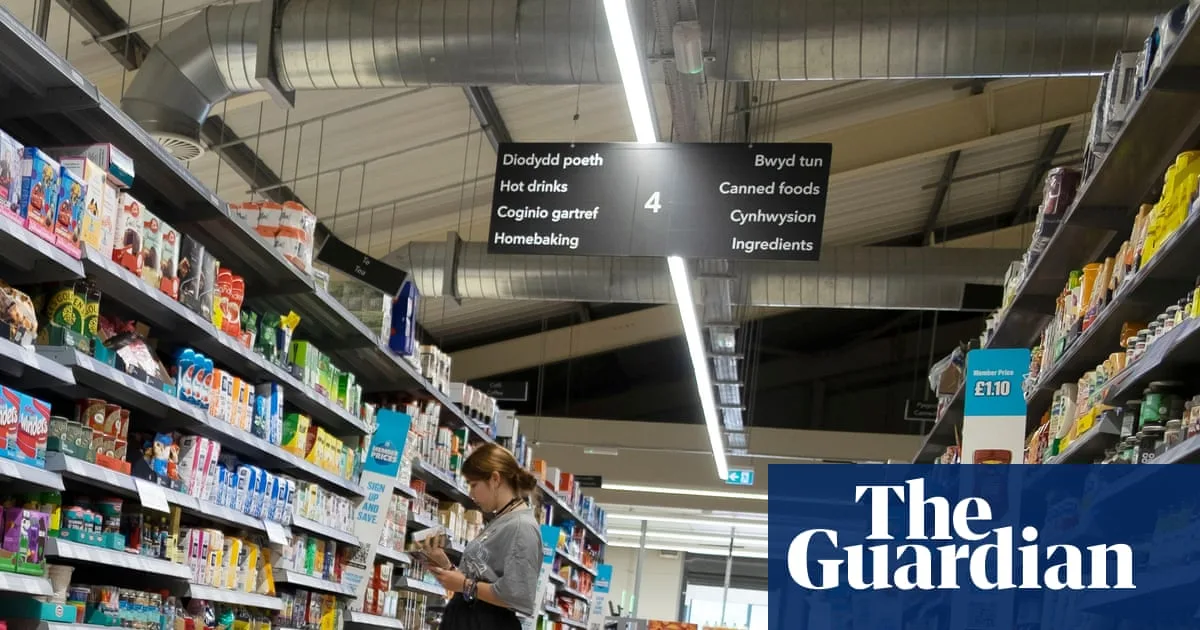
The ONS said various price movements offset each other in August. Air fares fell, while petrol and diesel prices rose. Hotel accommodation costs also dropped less than a year ago. Food price inflation climbed for a fifth consecutive month to 5.1%, with increases in vegetables, cheese, fish, chocolate (up 15.4%), beef, butter and coffee.
Chancellor Rachel Reeves faces scrutiny over Labour's economic management ahead of the autumn budget on 26 November, amid speculation about tax increases. Business groups warned that measures including a £25bn rise in employer national insurance contributions would force job cuts and price rises. Shadow chancellor Mel Stride said working people were bracing for more tax rises due to Labour's mismanagement.
Reeves acknowledged families are finding it tough and said the government is determined to bring costs down. The Bank of England forecasts inflation could peak at 4%, potentially delaying further rate cuts. However, there are signs of abating pressures: services inflation slowed to 4.7% from 5%, and core inflation fell to 3.6% from 3.8%.
Inflation has fallen from a peak of 11.1% in 2022 but households face renewed pressure from tax and utility price rises in April. Economists cite extreme weather and government regulations as factors pushing up food prices. The Trades Union Congress urged rate cuts, arguing high borrowing costs add to family and business pain without addressing global price drivers.
Analysts expect the Bank's monetary policy committee to keep rates unchanged, balancing a cooling labour market against stubborn inflation risks. UK inflation remains the highest in the G7, at 3.8% compared to 2.9% in the US.




