UK Inflation Holds Steady at 3% as Iran War Threatens Energy Price Surge
The UK inflation rate held firm at 3% in February, according to official figures, but this stability is likely to be short-lived due to the escalating conflict in Iran. The consumer prices index (CPI) remained unchanged from the previous month, aligning with economists' forecasts but still significantly above the government's 2% target.
Calm Before the Storm in Food and Energy Sectors
Annual food inflation saw a slight decline, dropping to 3.3% in February from 3.6% in January, driven by lower prices for items such as olive oil, flour, and pizza. However, the Food and Drink Federation has issued a stark warning, describing this as "the calm before the storm." The outlook has shifted dramatically since the onset of the Middle East war, which has triggered a sharp increase in oil and gas prices following the effective closure of the Strait of Hormuz, a critical shipping route.
Grant Fitzner, the chief economist at the Office for National Statistics (ONS), noted that upward pressures from clothing prices were offset by declines in other areas, including petrol costs. He stated, "The largest upwards driver was the price of clothing, which rose this month but fell a year ago. This was offset by falls in petrol costs, with prices collected before the start of the conflict in the Middle East and subsequent rise in crude oil prices."

Rising Petrol Prices and Broader Economic Concerns
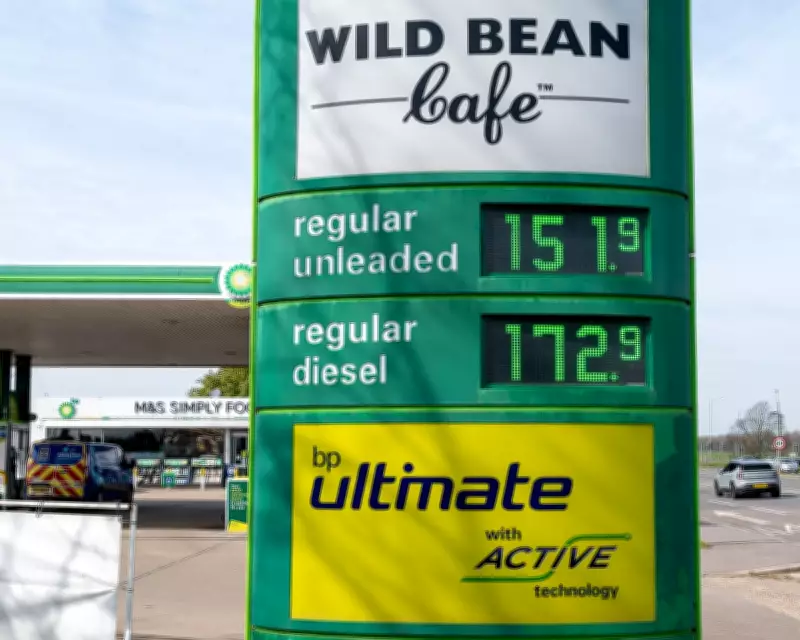
Since the war began, petrol prices have surged significantly, with the RAC reporting that a litre of unleaded fuel increased by 12p or 9% by the end of last week. The ONS also highlighted declining prices for alcoholic drinks and tobacco, which fell by 0.1% in February, as another factor helping to curb inflation.
Core inflation, which excludes volatile components like food and fuel, rose to 3.2% in February from 3.1% in January. This increase may fuel concerns among hawkish policymakers at the Bank of England that price rises could spread beyond sectors directly impacted by the Iran crisis into the wider economy. The Bank's monetary policy committee, which left interest rates unchanged at its last meeting, is scheduled to reconvene on 30 April.
Government Response and Future Outlook
Chancellor Rachel Reeves addressed the situation, emphasizing the government's economic plan. She said, "In an uncertain world we have the right economic plan ... We're taking £150 off energy bills and providing targeted support for those facing higher heating oil costs. We're also acting to protect people from unfair price rises if they occur, bring down food prices at the till, and cut red tape." Reeves informed MPs that she is reviewing options for targeted support to households potentially facing higher utility bills in the coming months due to the conflict, now in its fourth week.
Experts warn that the prolonged conflict could lead to increased costs for fertiliser and other supplies, potentially driving food prices higher in the near future. Karen Betts, chief executive of the Food and Drink Federation, expressed concern, stating, "The longer the conflict in the Middle East goes on, the bigger its impact will be on food prices. With food and drink price inflation already running above historical averages, heightened energy, maritime fuel and fertiliser costs will put further pressure on prices."