
The UK inflation rate held steady at 3% in February, before Donald Trump's Iran war drove up global energy costs, threatening a renewed price jump. Official figures from the Office for National Statistics (ONS) showed the consumer prices index remained at the same level as the previous month, in line with economists' expectations but still well above the government's 2% target.
The annual rate of food inflation fell slightly, driven by drops in olive oil, flour and pizza, but the Food and Drink Federation warned this was likely to be 'the calm before the storm'. The outlook for inflation has shifted dramatically since the onset of the Middle East conflict, which has sent oil and gas prices soaring after the effective closure of the Strait of Hormuz.
As recently as last month, the Bank of England was forecasting CPI inflation to fall to the 2% target in the second quarter of the year, opening the way to more interest rate cuts. However, at last week's monetary policy committee meeting, rates were left on hold, and markets now expect the next move to be up.
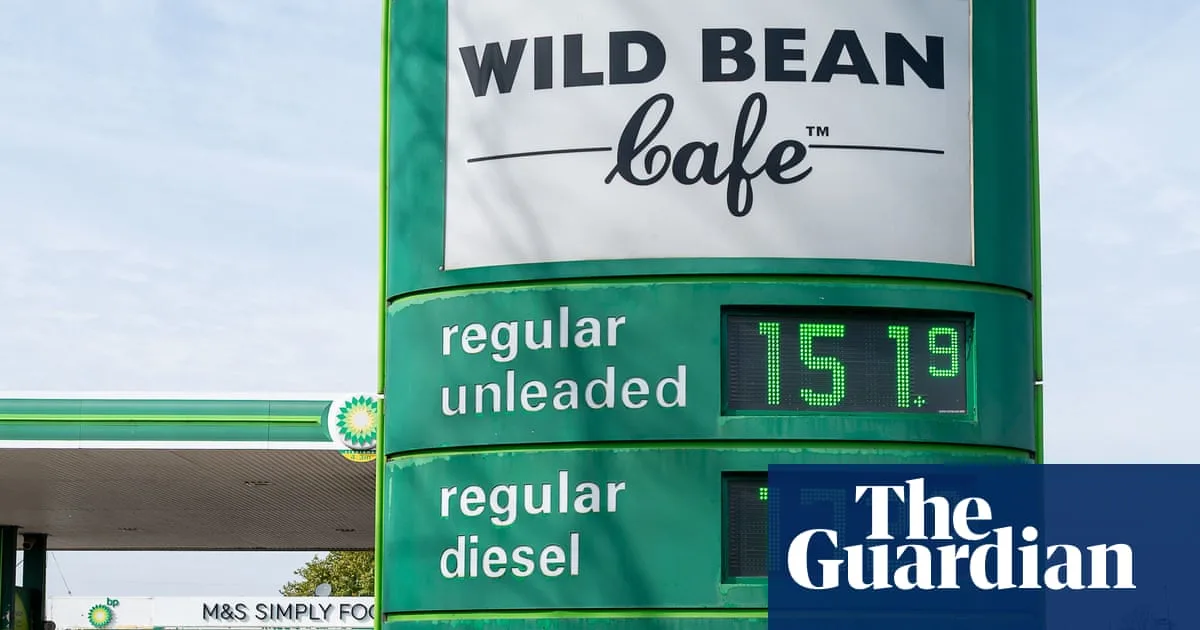
Announcing the unchanged 3% figure for February, the ONS said higher inflation for some products, including clothing, had been offset by declining prices elsewhere. Grant Fitzner, the ONS chief economist, said: 'The largest upwards driver was the price of clothing, which rose this month but fell a year ago. This was offset by falls in petrol costs, with prices collected before the start of the conflict in the Middle East and subsequent rise in crude oil prices.'
February also brought another welcome moderation in annual food inflation, down from 3.6% in January to 3.3%, the lowest rate since March 2025. However, experts have warned that the higher cost of fertiliser as a result of the supply blockages in the Gulf could lead to food costs rising again in the coming months. Karen Betts, the chief executive of the Food and Drink Federation, said: 'While food inflation fell slightly in February 2026, I am concerned that this is the calm before the storm.'
The ONS said core inflation, which excludes volatile factors including food and fuel, was higher in February than a month earlier, at 3.2%, up from 3.1% in January. The chancellor, Rachel Reeves, said the government was taking action to protect households, including a £150 reduction in energy bills and targeted support for those facing higher heating oil costs.




