UK Inflation Forecast to Accelerate Amid Middle East Fuel Price Pressures
Analysts predict that UK inflation is set to rise significantly, with the Consumer Price Index (CPI) expected to reach 3.3% for March. This anticipated increase is largely attributed to escalating fuel costs stemming from the ongoing conflict in the Middle East, which has disrupted global oil markets and pushed petrol and diesel prices sharply higher.
Fuel Costs Drive Inflationary Spike
The Office for National Statistics (ONS) is due to release official inflation data on Wednesday, providing further insight into how the Middle East situation is impacting the cost of living for British consumers. According to a consensus of economic experts, the March figures will likely show inflation climbing to its highest level since December, primarily driven by surging energy prices.
Recent data highlights the severity of the price increases:

- The average price of a litre of petrol reached 158.1p in mid-April, marking a 25p rise since the conflict began in late February.
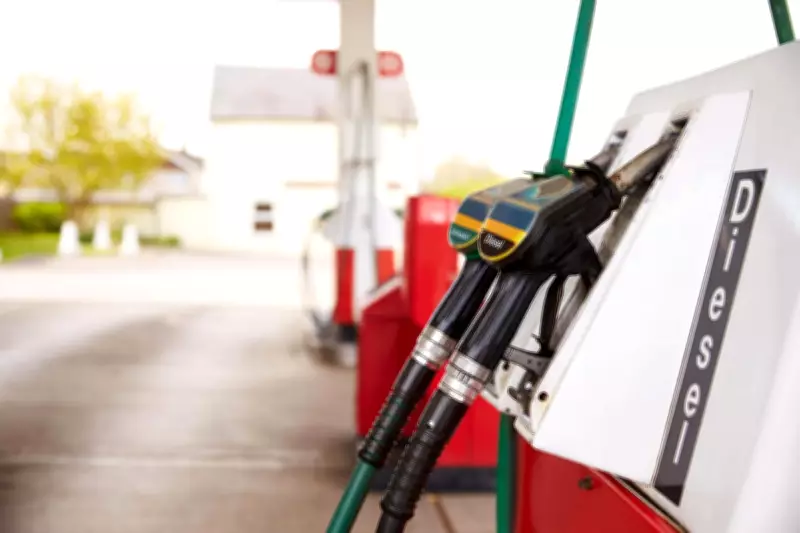
- Diesel prices have soared even more dramatically, averaging 191.2p per litre—a staggering 49p increase over the same period.
Economists at Oxford Economics estimate that these elevated pump prices could add between 0.2 and 0.3 percentage points to the inflation rate for March, underscoring the direct link between geopolitical tensions and domestic economic pressures.
Broader Economic Implications and Forecasts
The Bank of England and most economists have indicated that price increases are likely to accelerate in the coming months as the full impact of the Middle East conflict feeds through to the costs of various products and services. Last month, the central bank projected that inflation could rise to as high as 3.5% by the third quarter of this year, a significant revision from earlier predictions.
Earlier this year, the Bank of England had forecast that inflation would dip below its 2% target in April. However, the conflict between US-Israeli and Iranian forces since late February has led to a sharp increase in oil and gas prices, while potential disruptions to the Strait of Hormuz shipping corridor could exacerbate supply chain issues and affect other sectors.
The International Monetary Fund (IMF) has also weighed in, suggesting that spiking energy prices could push UK inflation towards 4%—double the Bank of England's target. This outlook highlights the growing concern among policymakers and financial institutions about the persistent inflationary pressures facing the UK economy.
Industry Tensions and Political Fallout
Amid these economic challenges, tensions have flared between the government and industry stakeholders. A petrol retailer trade group recently pulled out of a scheduled meeting with Chancellor Rachel Reeves, accusing ministers of using 'inflammatory language' that has reportedly led to a spate of attacks on forecourt workers. This incident underscores the heightened emotions and practical difficulties arising from the fuel price crisis.
The March inflation data will be the first set of ONS figures to fully incorporate the elevated petrol and diesel costs since the onset of the Middle East conflict, providing a clearer picture of its immediate economic impact. As consumers grapple with higher living costs, the situation remains fluid, with analysts closely monitoring geopolitical developments and their potential to further influence inflation trends in the months ahead.