UK Inflation Climbs to 3.3% in March Amid Fuel Price Surge from Iran War
The annual inflation rate in the United Kingdom rose to 3.3% in March, up from 3% in February, as soaring petrol and diesel prices, driven by the ongoing US-Israeli war on Iran, placed significant pressure on household finances. This increase aligns with forecasts from City economists and marks a concerning uptick amid a broader cost of living crisis.
Fuel Prices Drive Transport Cost Increases
According to the Office for National Statistics (ONS), transport prices, including motor fuel and air fares, surged by 4.7% in the year to March, the fastest annual rate since December 2022. This spike is largely attributed to the conflict in Iran, which has disrupted global energy supplies by closing the critical Strait of Hormuz, pushing the global oil price close to $100 a barrel.
Grant Fitzner, the ONS chief economist, stated: "Inflation climbed in March, largely due to increased fuel prices, which saw their largest increase for over three years. Air fares were another upward driver this month, alongside rising food prices."

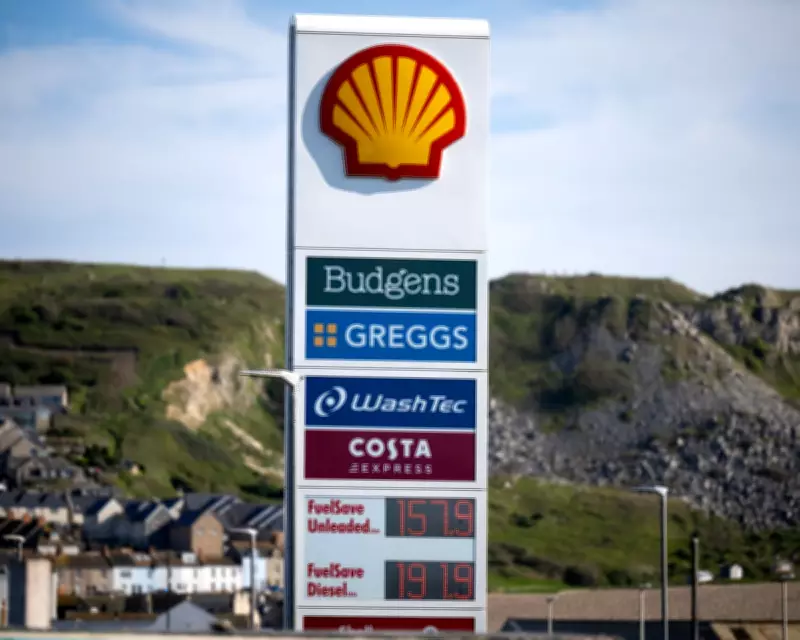
Specifically, the average price of petrol rose by 8.6p per litre between February and March to 140.2p, the highest level since August 2024. Diesel prices increased by 17.6p per litre to 158.7p, reaching their peak since November 2023.
Economic Warnings and Government Response
The International Monetary Fund has issued warnings that Britain faces the sharpest growth slowdown and joint highest inflation rate in the G7 this year, as the Middle East conflict threatens to trigger a global recession. Despite government efforts, including measures from Chancellor Rachel Reeves's autumn budget aimed at reducing energy bills, inflation remains stubbornly above the 2% target set by authorities.
Rachel Reeves commented: "This is not our war, but it is pushing up bills for families and businesses. That's why it's my number one priority to keep costs down. Our economic plan is the right one and has put us in a stronger position to support families in the face of this new crisis."
The Bank of England left interest rates unchanged last month but cautioned that prolonged conflict and disruptions to global energy markets could necessitate future rate hikes to prevent high inflation from becoming entrenched.
Future Outlook and Expert Predictions
Economists predict that inflation could rise further in April if fuel prices continue to climb. Martin Beck, chief economist at WPI Strategy, noted: "How far inflation rises from here will depend heavily on developments in the Middle East. If recent signs of diplomatic progress translate into a sustained easing in tensions and energy supplies normalise, inflation could peak at about 3.5-4% this summer. But a renewed escalation could just as easily push inflation towards 5%."
The ONS also reported that the monthly cost of raw materials for businesses and goods leaving factories rose substantially, driven by higher crude oil and petrol prices, with clothing costs providing the only significant offset by rising less than the previous year.