UK Inflation Jumps to 3.3% in March as Iran Crisis Fuels Economic Pressure
According to the latest data from the Office for National Statistics, the UK Consumer Prices Index inflation rate increased to 3.3 per cent in March, up from 3 per cent in February. This significant rise marks a notable shift in the economic landscape, with the primary driver being the ongoing crisis in Iran, which has disrupted global energy markets and pushed up costs for consumers and businesses alike.
Impact of the Iran Crisis on Fuel Prices
The closure of the Strait of Hormuz shipping corridor, a critical passage for oil tankers, has led to elevated petrol and diesel costs across the UK. This geopolitical event has directly contributed to the inflation spike, as transportation and energy expenses have surged, affecting everything from household budgets to industrial operations. The economic repercussions are widespread, with the Resolution Foundation estimating that the average household will be £480 worse off this year due to increased energy costs alone.
Government Response and Financial Implications
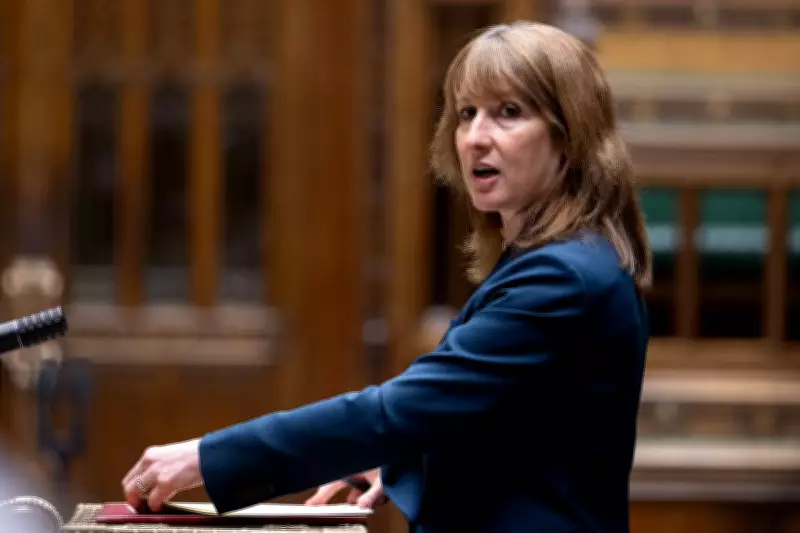
Chancellor Rachel Reeves has acknowledged the severity of the situation, stating that the crisis is "pushing up bills for families and businesses" and reaffirming her commitment to mitigating these financial pressures. However, the challenges are substantial; a severe escalation in the crisis could add approximately £16 billion to government borrowing by the fiscal year 2029-30, according to economic forecasts. This underscores the delicate balance policymakers must maintain between supporting the economy and managing public debt.

Bank of England's Stance on Interest Rates
The rise in inflation makes it increasingly unlikely that the Bank of England will implement interest rate cuts in the near future. This decision has significant implications for the broader economy, as it delays potential relief in the form of cheaper mortgages and reduced business borrowing costs. Financial markets are now adjusting their expectations, with analysts predicting a prolonged period of higher rates to combat inflationary pressures, which could slow economic growth and impact consumer spending.
Broader Economic Consequences and Outlook
Beyond immediate fuel costs, the inflation increase reflects deeper vulnerabilities in the UK economy, including supply chain disruptions and geopolitical uncertainties. The situation highlights the interconnectedness of global events and domestic financial stability, with the Iran crisis serving as a stark reminder of how external shocks can swiftly alter economic trajectories. As households and businesses navigate these challenges, the focus remains on adaptive strategies and policy measures to cushion the impact and foster resilience in the face of ongoing volatility.