The UK's inflation rate has accelerated sharply, reaching its highest level since December, as escalating conflict in the Middle East triggered a dramatic surge in fuel prices, according to the latest official data.
Inflation Climbs to 3.3% in March
The Office for National Statistics (ONS) reported that the Consumer Prices Index (CPI) inflation rate increased to 3.3% in March, up from 3% in February. This rise aligns with forecasts from economists, who had anticipated the uptick due to geopolitical tensions affecting global energy markets.
Fuel Prices Drive the Increase
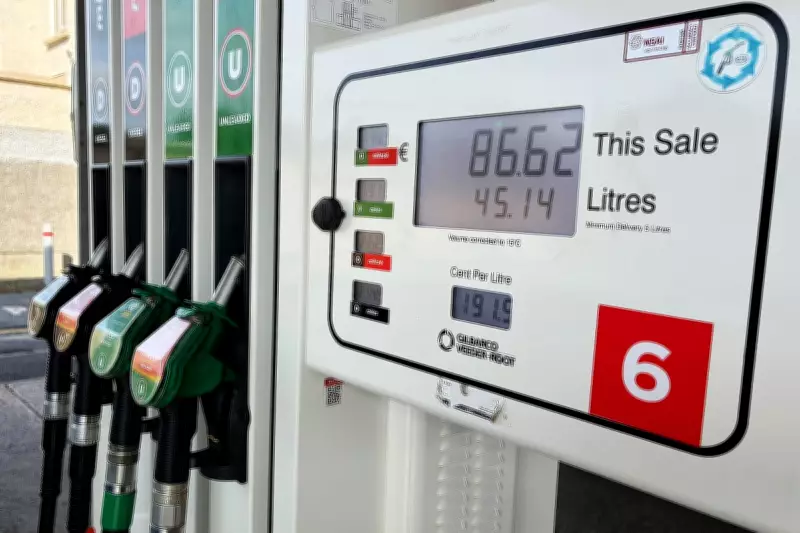
Higher motor fuel costs were the primary driver behind the inflation acceleration, with prices jumping by 8.7% month-on-month. This represents the largest monthly increase since June 2022, a period marked by the aftermath of Russia's invasion of Ukraine, highlighting the ongoing volatility in energy markets.

Grant Fitzner, chief economist at the ONS, commented on the figures, stating: "Inflation climbed in March, largely due to increased fuel prices, which saw their largest increase for over three years. Air fares were another upward driver this month, alongside rising food prices. The only significant offset came from clothing costs, where prices rose by less than this time last year."
Broader Economic Impact
The conflict in the Middle East, particularly involving Iran, has disrupted oil supplies and driven up costs at petrol pumps across the UK. This has compounded pressures on households already grappling with elevated living expenses.
Other factors contributing to the inflation rise include:
- Air fares: Increased travel costs added to inflationary pressures.
- Food prices: Continued rises in grocery bills further strained consumer budgets.
- Clothing costs: Provided some relief, with slower price increases compared to last year.
The data underscores the sensitivity of the UK economy to global events, with fuel price spikes quickly translating into higher inflation. Policymakers are now closely monitoring the situation, as sustained increases could impact interest rate decisions and economic stability in the coming months.