The British Chamber of Commerce (BCC) has issued a revised inflation forecast, warning that UK inflation will remain elevated throughout 2026, despite a recent decline in fuel prices. The business group now predicts the Consumer Prices Index (CPI) will reach 2.7% by the end of the year, up from a previous estimate of 2.1%.
Geopolitical Uncertainty Drives Economic Concerns
The BCC attributed this upward revision to the "highly uncertain" geopolitical landscape, specifically highlighting the ongoing conflict in the Middle East. This situation is identified as a primary factor that could substantially disrupt the economic outlook for the United Kingdom.
Oil Price Volatility and Political Statements
Oil prices experienced a brief dip to $90 per barrel following remarks by former US President Donald Trump, who suggested the Iran war might not be as protracted as initially feared. However, prices remain significantly higher than levels observed prior to the escalation of regional tensions.

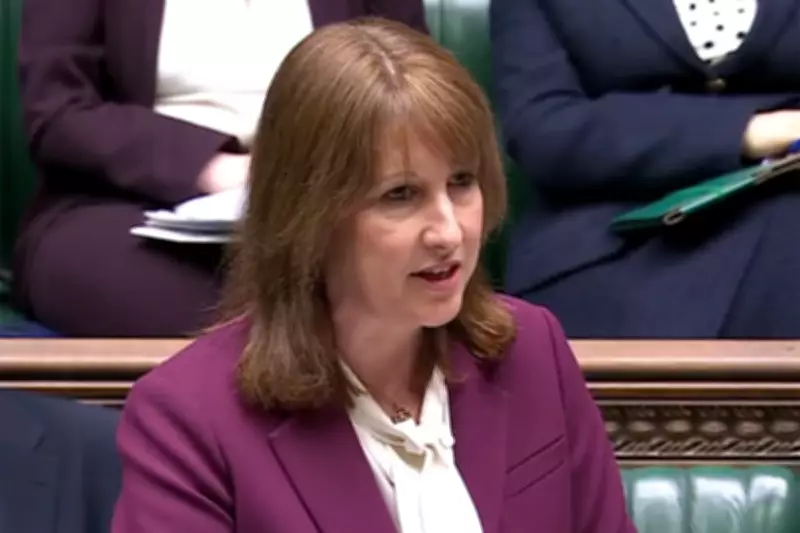
Shadow Chancellor Rachel Reeves reinforced these economic warnings, stating that the Middle East conflict is likely to exert upward pressure on inflation in the coming months. Her comments underscore the potential for sustained economic impact from international instability.
Broader Implications for the UK Economy
The persistent inflationary pressure, despite falling oil prices, points to deeper structural concerns within the UK economy. Key factors include:
- Supply chain disruptions linked to global conflicts.
- Increased energy costs affecting production and consumer prices.
- Market volatility driven by geopolitical risk assessments.
This revised forecast suggests that businesses and consumers should prepare for a longer period of higher-than-anticipated inflation, challenging earlier optimism about a swift return to target levels. The BCC's analysis indicates that external geopolitical factors are now playing a more dominant role in shaping domestic economic conditions than previously accounted for in economic models.