UK Inflation Falls to 3% in January, Boosting Prospects for Interest Rate Cuts
The rate of Consumer Prices Index (CPI) inflation in the United Kingdom has decreased to a 10-month low of 3% in January, down from 3.4% in December, according to the Office for National Statistics (ONS). This significant drop marks the lowest inflation level since March of last year, primarily driven by declines in petrol, food, and airfare prices. The reading aligns with analyst predictions and signals a return to a downward trajectory after a slight increase in the previous month.
Economic Implications and Rate Cut Expectations
The sharp decline in inflation has raised expectations that the Bank of England will implement interest rate cuts as early as next month. Economists are now predicting that inflation is on track to reach the target level of 2% by April, which could pave the way for further monetary policy easing later in the year. Currently, interest rates stand at 3.75%, and the latest data has bolstered hopes among central bankers for a reduction.
Thomas Pugh, chief economist at RSM UK, commented, "The sharp drop in inflation in January all but nails on a rate cut next month following yesterday's weak labour market data. What's more, today's drop was just the start of a steep slide that should take inflation to 2% in April, which will set the stage for another interest rate cut in the summer."

Similarly, Rob Wood, chief UK economist at Pantheon Macroeconomics, stated that a March rate cut is "highly likely" following the inflation fall and a concurrent increase in unemployment. On Tuesday, the ONS reported that the UK unemployment rate reached a five-year high of 5.2%, with a notable rise in joblessness among young people.
Key Drivers Behind the Inflation Drop
The ONS highlighted several factors contributing to the fresh fall in inflation:
- Motor Fuels: Petrol prices fell by 3.1p per litre between December 2025 and January 2026, with the average price standing at 133.2p per litre in January, down from 137.1p per litre a year earlier. Diesel prices also dropped by 3.2p per litre compared to the previous month.
- Airfares: Prices dropped back after an increase in December, providing another downward driver.
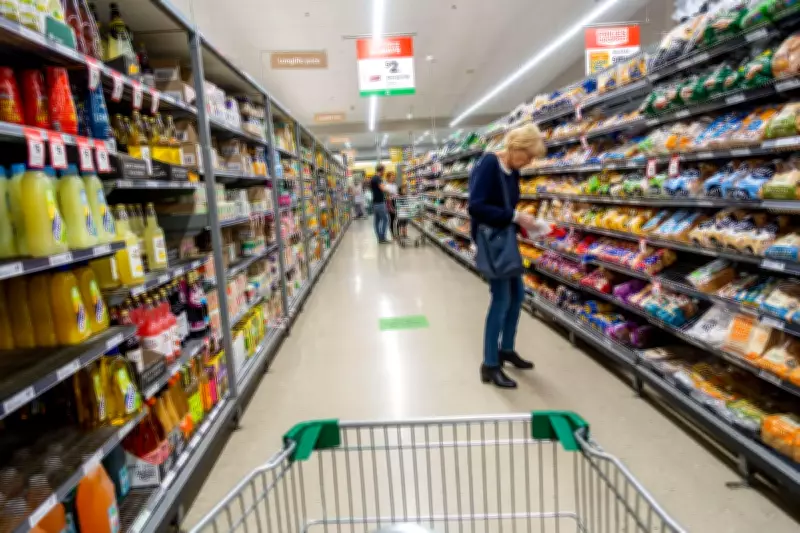
- Food Prices: Lower costs for items such as bread, cereals, and meat helped push the inflation rate down. Food and non-alcoholic drink price inflation slowed from 4.5% in December to 3.6% in January, with prices actually becoming 0.1% cheaper month-on-month.
Grant Fitzner, ONS chief economist, noted, "Airfares were another downward driver this month with prices dropping back following the increase in December. Lower food prices also helped push the rate down, particularly for bread & cereals and meat. These were partially offset by the cost of hotel stays and takeaways."
Offsetting Factors and Broader Economic Context
While the overall trend is positive, some areas saw price increases that partially offset the declines. For instance, hotel prices rose, with accommodation inflation climbing to 1.1% in January after a 0.1% dip in December. Additionally, recent price increases in alcohol and tobacco slowed from 5.2% in December to 4.6% in January, but this moderation was less impactful than the drops in other sectors.
The inflation slowdown offers some relief for Chancellor Rachel Reeves, who has prioritised efforts to bring inflation back to the 2% target. Reeves emphasised, "Cutting the cost of living is my number one priority. Thanks to the choices we made at the budget we are bringing inflation down, with £150 off energy bills, a freeze in rail fares for the first time in 30 years and prescription fees frozen again. Our economic plan is the right one, to cut the cost of living, cut the national debt and create the conditions for growth and investment in every part of the country."
In contrast, Shadow Chancellor Mel Stride criticised the government's handling, stating, "Inflation remains above target thanks to Labour's choices. Families are still feeling the pinch because of Labour's economic mismanagement."

This development comes amid broader economic challenges, including the recent Budget measures that have impacted supermarkets with increased business rates, potentially affecting food prices for consumers. However, the current data suggests a promising shift towards lower inflation and potential interest rate cuts, which could ease financial pressures on households and businesses across the UK.