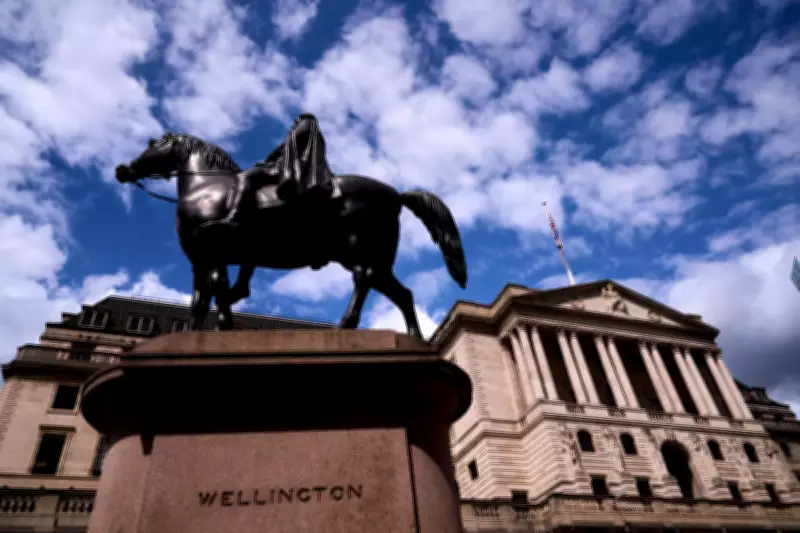
Official inflation figures for January are anticipated to reveal a significant decline, potentially dropping to 3% from 3.4% in December, according to economic forecasts. This would mark the lowest inflation rate in the United Kingdom since March 2025, providing a substantial boost to expectations for an imminent reduction in interest rates by the Bank of England.
Economic Indicators Point to Rate Cut Momentum
Most economists, including those at Pantheon Macroeconomics, predict that the Office for National Statistics (ONS) will report Consumer Prices Index (CPI) inflation falling sharply to 3% for January. This decrease is largely attributed to lower airfares, reduced food price inflation, and moderating energy costs during the month.
The anticipated inflation drop reinforces growing speculation that the Bank of England could implement another interest rate cut, possibly as soon as next month. Current forecasts suggest a reduction from 3.75% to 3.5% in March, supported by disappointing economic growth figures.

Weak Growth and Wage Data Strengthen Case for Reduction
Recent ONS data showed that gross domestic product (GDP) managed only a meagre 0.1% growth in the fourth quarter of 2025, resulting in an annual expansion of 1.3% for the year, which was worse than expected. Additionally, official figures released on Tuesday indicated that wage growth fell to 4.2% in the three months to December, reaching its lowest level in almost four years.
These economic indicators have bolstered arguments for a monetary policy easing. However, Bank of England chief economist Huw Pill expressed caution at a Santander event last Friday, stating he believed interest rates were already "a little bit too low" and suggesting he would not vote for a reduction in March. Mr Pill was part of the 5-4 majority on the Monetary Policy Committee that voted to maintain rates at 3.75% earlier this month.
Detailed Analysis of Inflation Components
Pantheon Macroeconomics expects a steep decline in inflation as multiple factors contribute to slower price increases:
- Airfares are projected to have dropped by nearly 25% in January after soaring during December's festive travel period
- Food price growth is likely to have decreased to 4.2%, below November's levels
- Energy price inflation showed moderation, with the energy price cap increasing by just 0.2% in January compared to 1.2% in January 2025
- VAT on private school fees falling out of annual comparisons provided additional downward pressure
- Heavier than usual retail discounting also contributed to lower inflation readings
Investec Economics economist Ellie Henderson noted that while food inflation appears to be slowing, it remains a "key concern" that requires monitoring. She highlighted that electricity prices rose nearly 5% in January according to the energy price cap, but this was offset by falling gas prices.
Bank of England's Inflation Target Outlook
The Bank of England maintains its forecast that inflation will fall to its 2% target by mid-year. Measures announced in the Chancellor's autumn budget, particularly a package of support designed to reduce household energy bills from April, are expected to contribute significantly to this downward trajectory.
This week represents a particularly busy period for UK economic statistics, with government borrowing data and retail figures also scheduled for release on Friday alongside the inflation numbers. These combined indicators will provide a comprehensive picture of the UK's economic health and likely influence monetary policy decisions in the coming months.