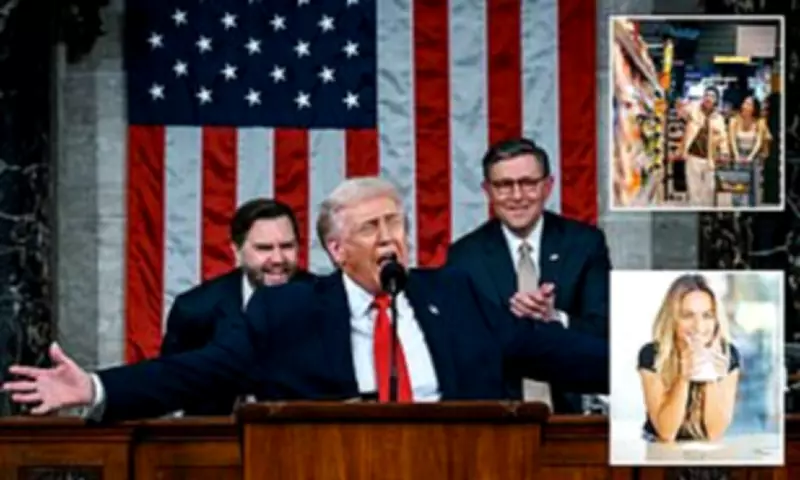
Trump's Inflation Declaration Meets Harsh Reality at Checkout
President Donald Trump used his State of the Union address to make bold claims about inflation, declaring that prices are "plummeting" and reaching their "lowest level in five years." He described the economy as "roaring like never before" and pointed to official statistics that appear to support his narrative.
The Official Numbers vs. Everyday Reality
On the surface, recent data from the Bureau of Labor Statistics shows some improvement. Inflation rose 2.4 percent in the year to January, down from 2.7 percent in December. Compared to the dramatic spikes witnessed in recent years, this represents measurable progress that the administration can highlight.
However, a closer examination of the Consumer Price Index reveals a different story that American consumers experience directly at grocery stores and checkout counters. While headline inflation may be moderating, essential everyday items continue to see significant price increases that strain household budgets.

Essential Items Seeing Steep Increases
The data reveals troubling trends for basic necessities:
- Instant coffee prices have surged 26.1 percent over the past year
- Roasted coffee has climbed 17.1 percent
- Ground beef has jumped 17.2 percent
- Beef roasts are up 15 percent
- Breakfast cereals have increased 6.2 percent
- Frozen fish and seafood prices rose 8.5 percent
- Bananas are up 5.4 percent
These aren't luxury items but fundamental components of weeknight dinners and packed lunches that form the backbone of American family meals. The persistent increases help explain why nearly half of Americans surveyed believe everyday life has become less affordable under the current administration.
Beyond Groceries: Widespread Price Pressures
The inflationary pressure extends far beyond the supermarket aisles:
- Utility gas service has risen 9.8 percent
- Electricity costs are up 6.3 percent
- Healthcare continues to burden consumers with inpatient hospital services 7.4 percent higher and home healthcare surging 12.7 percent
- Even funeral services have increased 5.6 percent, demonstrating that not even end-of-life expenses escape inflation's reach
Other notable increases include women's outerwear (5.7 percent), watches (7.2 percent), jewelry (7.1 percent), and cigarettes (9 percent). Indoor plants, tableware, and audio equipment have all seen significant price jumps as well.
Trump's Optimistic Narrative and Selective Highlights
Speaking from the U.S. Capitol in Washington, D.C., President Trump presented an optimistic assessment, arguing his administration had rescued the nation from crisis and delivered broad-based price relief. He contrasted current conditions with what he described as "a stagnant economy, inflation at record levels" that he inherited.
The President specifically highlighted several categories where prices have indeed declined:
- Egg prices have plunged more than 34 percent after last year's dramatic surge
- Butter is down 5 percent
- Tomatoes have decreased 2.4 percent
- Potatoes are 2.3 percent lower
- Smartphones cost more than 10 percent less than a year ago
- Unleaded gasoline prices are approximately 8 percent lower
Trump emphasized gasoline prices in particular, noting they had fallen from peaks above $6 per gallon to below $2.30 in most states, with some locations seeing prices as low as $1.85 per gallon.
The Political Challenge of Perception vs. Statistics
The fundamental problem for the White House is that falling headline inflation doesn't necessarily translate to Americans feeling better off financially. A December survey found that 48 percent of registered voters believe the cost of living has become more unaffordable since Trump returned to office, with 36 percent saying it's "much more unaffordable."

Andrew Bates, who served as deputy press secretary to former President Joe Biden, criticized Trump's approach, saying the President spent minimal time addressing what he called Americans' top priority: affordability. "Instead of listening to the voters who are crying out for relief," Bates commented, "the President patted himself on the back, gaslighting Americans who know he's lying about the bills they pay every day."
With 44 percent of voters believing the economy is worsening, the administration faces a clear political challenge. While some price categories show improvement, the steady increases in essential items like food, energy, healthcare, and childcare continue to pressure household budgets, creating a disconnect between official statistics and lived experience at the checkout line.