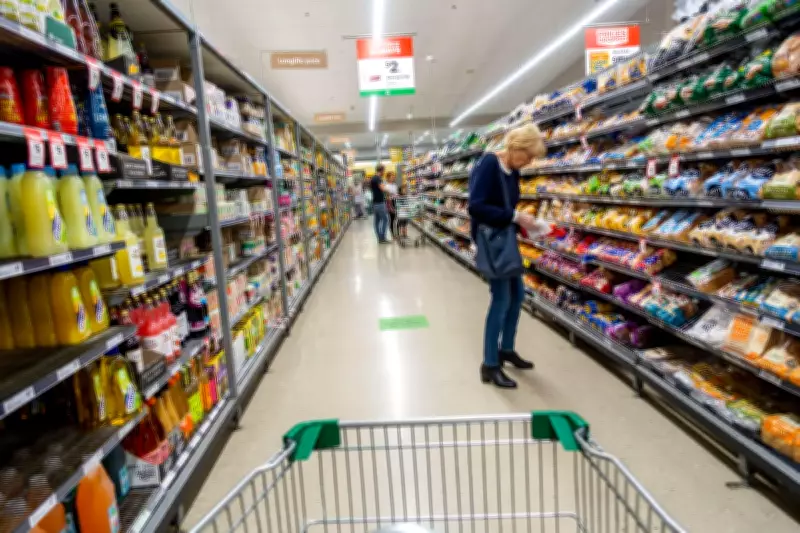
Shop price inflation has shown a welcome easing in February, according to the latest figures from the British Retail Consortium (BRC) and NIQ. However, consumers continue to face significant pressure as food costs remain substantially higher than a year ago.
Overall Inflation Declines
Overall shop price inflation fell slightly to 1.1 per cent in February, down from January's 1.5 per cent. This figure aligns with the three-month average of 1.1 per cent, indicating a stabilising trend in retail prices.
The decline is attributed to fierce competition among retailers, which has kept price increases in check. Customers have benefited from extensive promotions across key sectors including health, beauty, and fashion, helping to mitigate the broader inflationary pressures.

Food Inflation Remains Stubbornly High
Despite the overall easing, food inflation remains a significant concern for households. Consumers are paying 3.5 per cent more for food compared to a year ago, although this represents a slight decrease from January's 3.9 per cent.
Fresh food prices have shown particular resilience, remaining 4.3 per cent higher than last February. While this is a minor drop from January's 4.4 per cent, it still exceeds the three-month average of 4.2 per cent, highlighting ongoing challenges in this essential category.
Non-Food Prices Experience Deflation
In contrast to food, prices for products other than food actually decreased by 0.1 per cent year on year. This marks a significant improvement from January's growth of 0.3 per cent and reflects the competitive retail environment's impact on non-essential goods.
Ambient Food Prices Reach Four-Year Low
One bright spot in the inflation data comes from ambient food prices, which fell to 2.3 per cent inflation - their lowest level in four years. This represents a substantial decline from January's 3.1 per cent and is largely driven by falling global costs for these shelf-stable products.
Industry Perspectives on the Trends
BRC chief executive Helen Dickinson commented on the developments, stating: "Households got some welcome relief in February as shop price inflation eased. While the direction of travel is promising, prices are still rising, and many consumers remain under pressure."
Mike Watkins, head of retailer and business insight at NIQ, added further context: "Since the start of the year, we have seen some competitive pricing across both the food and non-food channels which is helping to bring down inflation. Whilst the inclement weather and weak sentiment is making consumer demand rather unpredictable for retailers, at least shoppers are now seeing some of their cost-of-living pressures start to ease."
The February figures reveal a complex picture of the UK retail landscape. While overall inflation shows signs of moderating, the persistent elevation of food prices continues to strain household budgets. The divergence between food and non-food inflation underscores the uneven impact of economic pressures across different consumer categories.