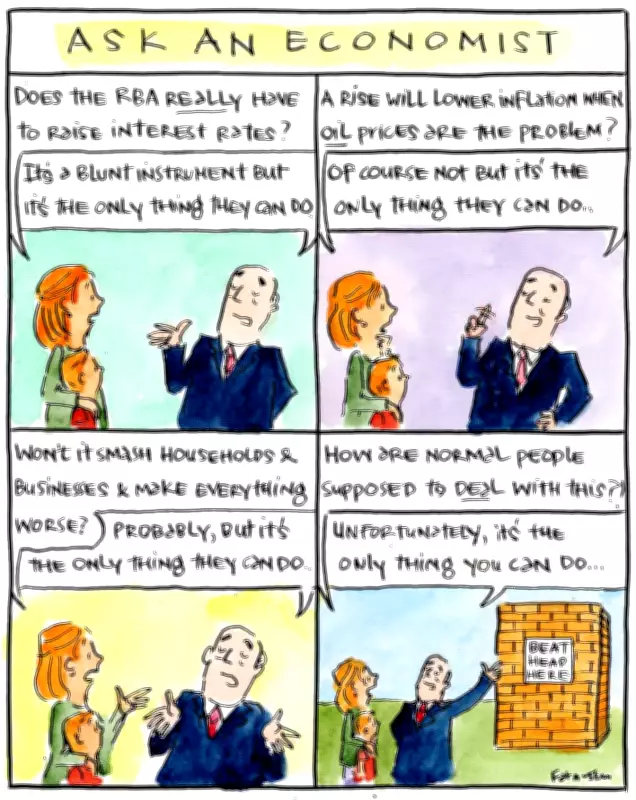
The Reserve Bank of Australia (RBA) faces mounting pressure to raise interest rates once more, but critics argue such a move could be counterproductive. With inflation still above target, the central bank must weigh the risks of further tightening against the fragile state of the economy.
Inflation vs. Growth
Proponents of a rate hike point to stubbornly high inflation, which remains above the RBA's 2-3% target band. They argue that without further action, price pressures could become entrenched, requiring even more painful adjustments later. However, opponents counter that the economy is already slowing, with consumer spending weakening and business confidence declining. A rate rise could push the economy into recession, causing job losses and reducing demand further.
The Housing Market Factor
Another key consideration is the housing market. Higher rates have already cooled property prices, but many households are feeling the strain of increased mortgage repayments. A further hike could lead to a wave of defaults, particularly among those who borrowed heavily during the pandemic. This could destabilise the financial system and exacerbate the economic downturn.

Some economists suggest that the RBA should pause and wait for more data before deciding. They note that the full impact of previous rate rises has yet to be felt, and that inflation may moderate on its own as supply chains recover and energy prices stabilise. Others call for a more targeted approach, such as government measures to address housing supply or fiscal policy to support vulnerable households.
Ultimately, the RBA must navigate a narrow path between controlling inflation and sustaining growth. While a rate hike might be necessary in the long term, the timing and magnitude require careful consideration. The bank's decision will have profound implications for borrowers, businesses, and the broader economy.