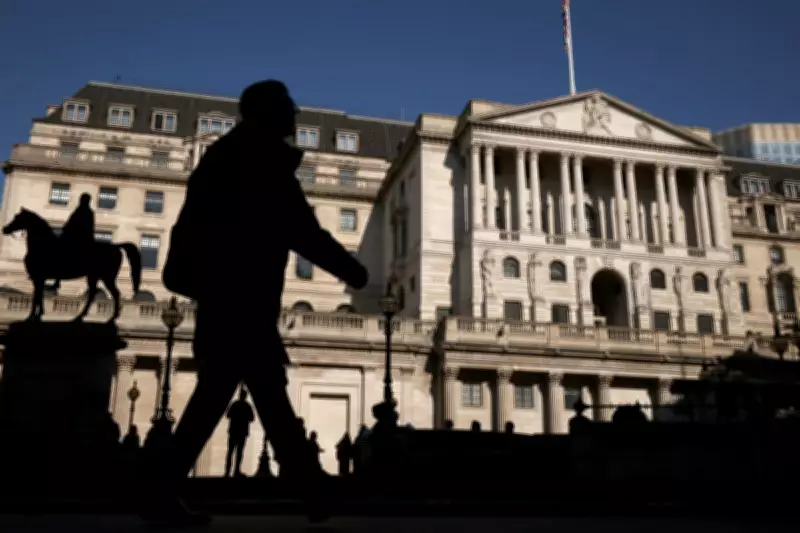
Iran Conflict Fuels UK Inflation Surge to 3.3% in March
UK inflation has jumped to 3.3 per cent in March, driven significantly by escalating tensions in the Middle East, particularly the ongoing conflict involving Iran. This economic pressure comes as global markets react to geopolitical instability, with rising energy costs and supply chain disruptions contributing to the inflationary spike.
Ceasefire Talks Stall Amid Regional Turmoil
In a related development, former US President Donald Trump has extended a ceasefire after Iran derailed a second round of peace talks, highlighting the fragile state of diplomatic efforts in the region. This political deadlock exacerbates economic uncertainties, as prolonged conflict threatens to sustain higher inflation rates through continued volatility in oil prices and international trade flows.
Domestic and International Investigations Unfold
Meanwhile, Downing Street has announced an inquiry into a vetting leak involving Peter Mandelson, adding a layer of political scrutiny at home. On the international front, a Ukrainian drone attack on a Russian oil facility has sparked a huge fire, further straining global energy supplies and potentially pushing inflation higher in the coming months.

Breakthrough in Public Health Research
Amid these challenges, a groundbreaking trial for a human bird flu vaccine has begun in the UK and US, offering a glimmer of hope in public health innovation. This development underscores the importance of scientific advancement even as economic and geopolitical crises unfold.
To stay informed on these essential stories and more, sign up for the daily Bulletin newsletter, which provides concise summaries of the day's top news directly to your inbox.