Inflation Set to Surge Beyond 4.5% as Middle East Conflict Escalates
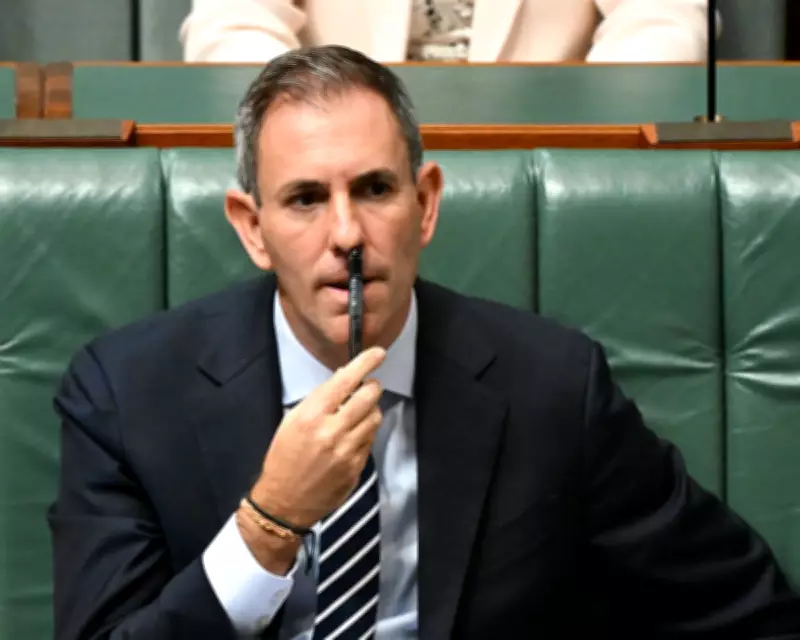
Treasurer Jim Chalmers has issued a stark warning that inflation in Australia is projected to rise beyond 4.5%, driven by the ongoing war in the Middle East. Speaking during a recent question time, Chalmers confirmed that Treasury modelling indicates inflation could peak in the "mid to high fours," aligning with private forecasts that suggest it might exceed 5% in the coming quarter.
Currently at 3.8%, the inflationary pressures are intensifying, prompting expectations that the Reserve Bank of Australia (RBA) will raise interest rates as early as this week, with another hike anticipated in May. This decision is scheduled just days before Chalmers unveils the federal budget on 12 May, adding urgency to economic planning.
No Recession Expected Despite Economic Hit
Despite the looming inflation hike and increased cost-of-living pressures, Chalmers reassured the public that a recession is not on the horizon. He explained that while the conflict will likely impact economic growth, Treasury scenarios do not predict two consecutive quarters of negative growth, which defines a recession. "We're not anticipating or expecting a shrinking economy," Chalmers stated, emphasising the volatility and uncertainty exacerbated by the Middle East hostilities.

The war, sparked by US and Israeli bombings in Iran, has disrupted global oil prices, contributing to soaring petrol costs and broader inflationary trends. Chalmers noted that the duration of the conflict will be critical in determining the full economic fallout, but Australia maintains sufficient fuel supplies despite disruptions, such as Iran's moves to block the Strait of Hormuz.
Interest Rate Rises and Political Reactions
Economists from major banks are tipping the RBA to increase interest rates this week, with a follow-up rise in May. Greens leader Larissa Waters has called on the RBA to refrain from hiking rates, arguing that such measures cannot curb inflation driven by supply-side issues from the war. "Rate rises won't stop the chaos of this illegal war," Waters asserted, highlighting struggles with price gouging in essential sectors.
In response, Chalmers affirmed that the economic shock will not derail reform priorities for the upcoming budget, which may include reductions to the capital gains tax discount. He revealed that Treasury is developing multiple tax reform options for cabinet consideration, aiming to address long-term economic stability.
Fuel Supply Concerns and Regional Proposals
The conflict has sparked debates over fuel security, with One Nation MP Barnaby Joyce advocating for Australia to join international efforts by deploying a navy ship to the Middle East. Joyce argued that as a beneficiary of resolved tensions, Australia must contribute to global defence initiatives.
Additionally, Joyce proposed reserving fuel for farmers and regional areas to ensure supermarket shelves remain stocked and key industries operate smoothly. Westlink Petroleum managing director Danny Kreutzer supported this idea, noting that fuel should have already been allocated for regions. However, NRMA spokesman Peter Khoury opposed the proposal, warning that panic buying and stockpiling could lead to shortages. He urged Australians to avoid hoarding fuel, citing reports of purchases quadrupling in some locations.
Energy Minister Chris Bowen has taken steps to mitigate fuel shortages by reducing minimum stock obligations for fuel companies, freeing up approximately 700 million litres of petrol and 2.2 billion litres of diesel for regional use. As of 3 March, Australia held reserves of about 36 days of petrol and 32 days of diesel, providing a buffer against supply disruptions.
The economic landscape remains fraught with uncertainty, but Chalmers remains focused on navigating these challenges without precipitating a recession, as households brace for heightened cost-of-living pressures.