Economists have issued a dire prediction that U.S. inflation will be higher than previously anticipated as the war with Iran shows no signs of ending, according to a Bloomberg survey.
Inflation Forecast Revised Upward
Bloomberg’s April survey of 90 economists, conducted between April 17 and 22, found that the personal consumption expenditures price index — a key inflation gauge measuring what U.S. consumers pay for goods and services — is expected to rise 3.6 percent in the second quarter of 2026 compared to the same period last year. This marks an upward revision from earlier forecasts.
War Timeline Uncertain
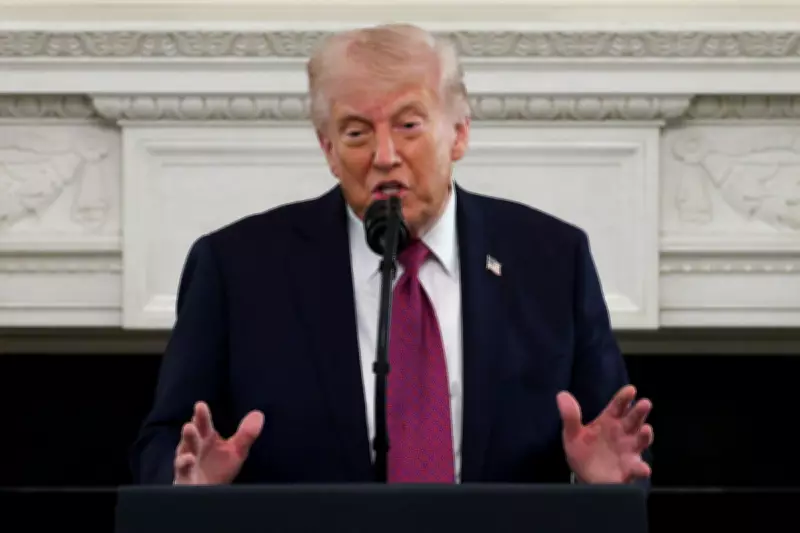
President Donald Trump launched the military action against Iran on February 28, but it remains unclear when hostilities will cease. When asked by reporters on Thursday about the timeline, Trump responded, “Don’t rush me.” The lack of clarity has contributed to economic uncertainty.

Rising Energy Costs
Americans are already feeling the pinch at the pump. National average gas prices soared above $4 per gallon last month for the first time since 2022, according to AAA. As of Friday, the national average stands at $4.059. Analysts warn that energy prices are likely to remain elevated even after the war ends.
Diane Swonk, chief economist at KPMG, told Bloomberg: “The legacy effects of the war in Iran are going to take months — not weeks — to unwind, with echo effects well into the second half of the year.”
Conflicting Administration Predictions
The Trump administration has offered mixed signals on when gas prices might fall. Energy Secretary Chris Wright told CNN on Sunday that prices might not drop below $3 a gallon until next year. However, a day later, Trump told The Hill that Wright’s prediction was “totally wrong,” asserting that prices would fall as soon as the war ends.
Broader Economic Impact
The air travel industry is also feeling the effects. Industry leaders have warned that passengers should expect higher ticket prices in the near future as airlines grapple with rising fuel costs.
Public sentiment is souring. An AP-NORC survey published Tuesday found that 76 percent of Americans disapprove of Trump’s handling of the cost of living amid the war. The poll also revealed that 73 percent believe the current economy is “poor,” up from 66 percent two months ago.
White House Response
The White House has maintained that rising prices are a “short-term disruption.” White House Senior Deputy Press Secretary Kush Desai wrote in an April 10 social media post: “President Trump has always been clear about short-term disruptions as a result of Operation Epic Fury, disruptions that the Administration has been diligently working to mitigate.” The Independent has contacted the White House for further comment.