Bank of England Holds Interest Rates Steady Amid Middle East Conflict Inflation Surge
The Bank of England has opted to maintain interest rates at 3.75% following a unanimous vote by its Monetary Policy Committee (MPC). This decision comes as policymakers issue stark warnings over an impending inflation surge, directly attributed to the escalating conflict in the Middle East involving Iran. Previously anticipated rate cuts have now been effectively shelved due to the economic turbulence caused by the war.
Unanimous Decision to Hold Rates
All nine members of the MPC voted to keep the base rate unchanged at 3.75% during their latest meeting. This marks a significant shift from just weeks ago, when a reduction to 3.5% seemed almost certain. The onset of the Iran war at the end of last month has dramatically altered the economic landscape, dashing hopes for an imminent rate cut as inflation is projected to climb sharply.
Inflation Forecasts Revised Upwards
The Bank sets interest rates with the primary objective of maintaining inflation at its 2% target. Consumer Prices Index (CPI) inflation had fallen to 3% in January, and MPC forecasts in February indicated a decline toward 2% from April, largely due to government measures aimed at reducing household energy bills. However, these projections are now obsolete.

The Middle East conflict has sent oil and gas prices soaring, which is expected to increase the cost of living in the UK and globally. The MPC now anticipates inflation to be around 3% in the second quarter of 2026, up from the 2.1% forecast in February, with a potential rise to 3.5% in the third quarter.
Impact of Oil Prices on UK Inflation
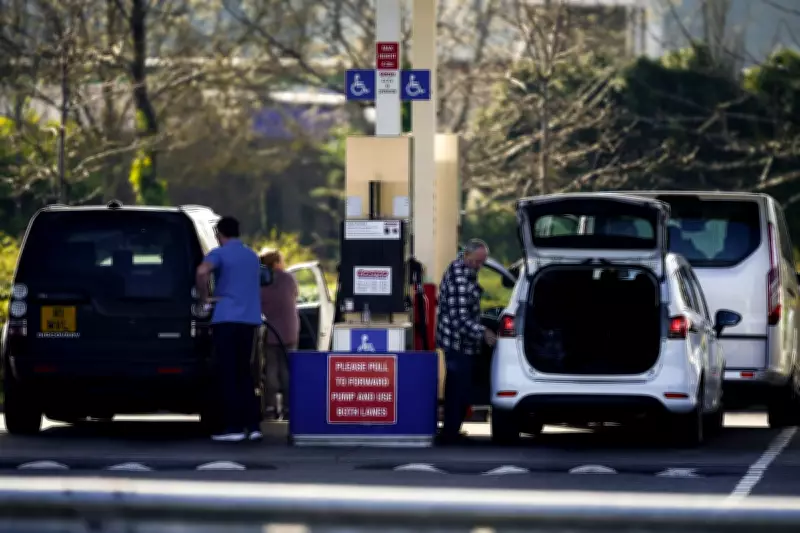
The disruption caused by the war is severely affecting global oil and gas supplies, driving wholesale prices higher. Key factors include the blockage of the Strait of Hormuz shipping route and attacks on facilities in Qatar, exacerbating supply chain issues. These developments translate directly into higher costs for consumers at petrol pumps and for gas and electricity, fueling a sharp increase in inflation.
The Bank has also cautioned that rising shipping and fertiliser costs on global markets are likely to lead to higher food prices, further compounding inflationary pressures.
Potential for Future Rate Rises
The Bank has stated it stands "ready to act" if the war causes inflation to surge uncontrollably. Some MPC members have indicated that interest rates may need to increase in the event of a prolonged conflict, though they emphasised that any such move would not be rushed. Rate-setter Catherine Mann highlighted the shifting balance, noting, "I see the balance between inflation and activity to have shifted away from considering a cut towards considering a longer hold, or even a hike at some point."
Mortgage Market Already Feeling the Pinch
Despite the hold on base rates, a wave of Britain's largest lenders has been increasing mortgage costs in response to the conflict. This is driven by a sharp rise in swap rates, which are used to price mortgages. According to financial information website Moneyfacts, the average two-year fixed-rate mortgage has already increased from 4.83% at the start of March to 5.32% by Thursday morning—the highest level since April 2025.
Additionally, nearly 700 mortgage products have been withdrawn from the market since March 9, creating challenges for homeowners looking to buy and the 1.8 million individuals whose fixed-rate deals are set to expire in 2026.