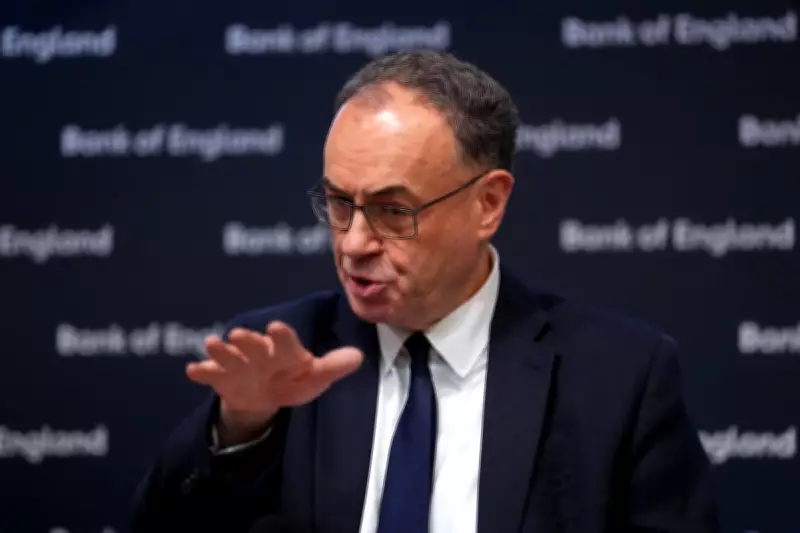
The Governor of the Bank of England has firmly stated that the institution should not raise its inflation target, emphasising the importance of maintaining public confidence in its ability to control rising living costs.
Bailey's Testimony to Lords Committee
Andrew Bailey told the House of Lords Economic Affairs Committee that inflation would currently be at the 2% target if not for the conflict in the Middle East. He argued against increasing the target to 3% to account for faster-rising costs, calling such a move 'too simplistic an answer.'
'We have to focus more on how we manage the path to target and ultimately get there because we’ve got to give the public confidence that the target is real,' Bailey said.

Current Inflation Figures
UK inflation stood at 2.8% in April, down from 3.3% in March. The decline was driven by lower energy prices, but rising fuel costs prevented further progress toward the Bank's target.
Bailey expressed frustration, noting: 'It is enormously frustrating, because... I was expecting I would be here this afternoon and we would be at the inflation target.' He attributed the overshoot 'almost entirely' to the Gulf conflict and warned of further impacts due to delayed pass-through effects.
Bank's Forecasts and Rate Decisions
At its April meeting, the Monetary Policy Committee (MPC) predicted inflation could accelerate, peaking between 3.6% and 6.2% depending on the severity of the Middle East situation. Policymakers voted to keep interest rates at 3.75%, though economists anticipate at least one rate increase later this year.
Bailey's remarks underscore the Bank's commitment to its existing target amid external pressures, reinforcing its focus on long-term price stability.