
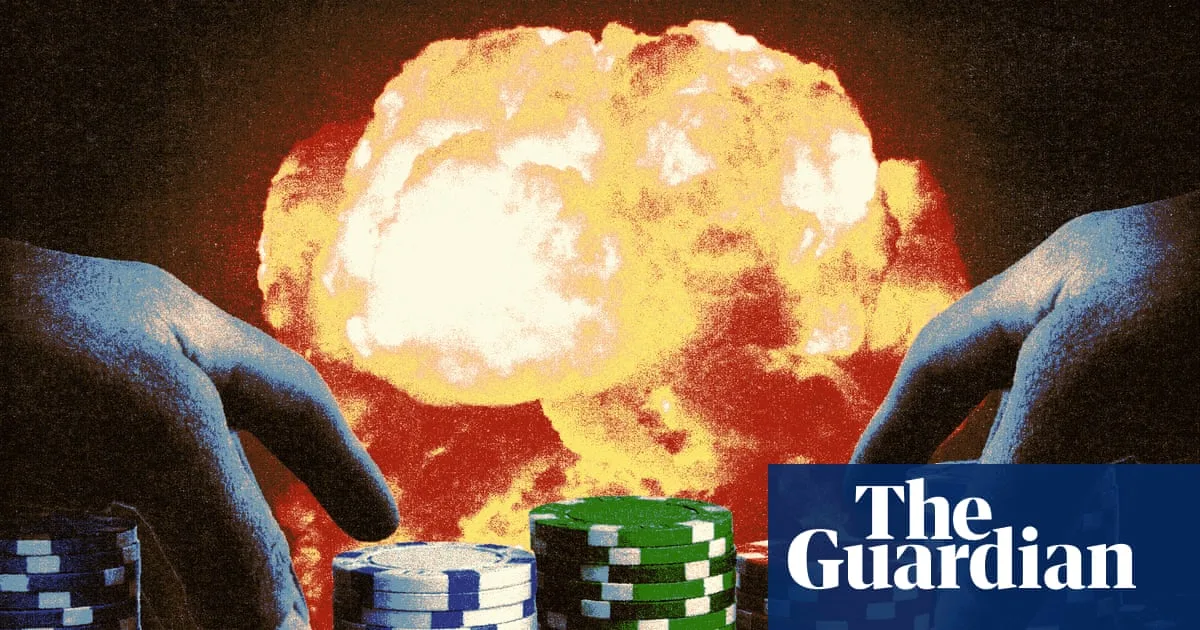
Traders placed over $1bn in perfectly timed bets on oil futures and prediction markets before major developments in the US-Israel conflict with Iran, sparking concerns about insider trading. The wagers, which yielded huge windfalls, were made on platforms such as Polymarket and Kalshi, as well as commodity derivatives markets.
On 23 March, traders bet $580m on oil futures just 15 minutes before Donald Trump announced 'productive' talks with Iran, causing oil prices to fall. Similarly, on 7 April, $950m was wagered on falling oil prices hours before Trump declared a temporary ceasefire with Iran. In both cases, the trades proved profitable.
Prediction markets also saw suspicious activity. On 27 February, the day before US and Israeli airstrikes on Iran, about 150 accounts on Polymarket placed $855,000 in bets that the US would strike the next day. Sixteen accounts each made over $100,000. Later, a user named 'Magamyman' earned $553,000 by betting that Ayatollah Ali Khamenei would be 'removed' just moments before his assassination by Israeli forces.
Lawmakers and experts have called for investigations. Craig Holman of Public Citizen, which filed a complaint with the Commodity Futures Trading Commission (CFTC), said the timing and scale of the bets 'makes it look very likely that someone had insider knowledge'. However, law professor Andrew Verstein noted that while the trades 'bear the hallmarks of suspicious trades', each could be based on lawful information or luck.
The CFTC faces challenges in enforcement due to the technological limitations of tracking trades across multiple platforms. Joshua Mitts, a law professor at Columbia University, questioned whether the issue is a lack of legislation or enforcement capability, adding that a law that cannot be effectively enforced is 'putting the cart before the horse'.




